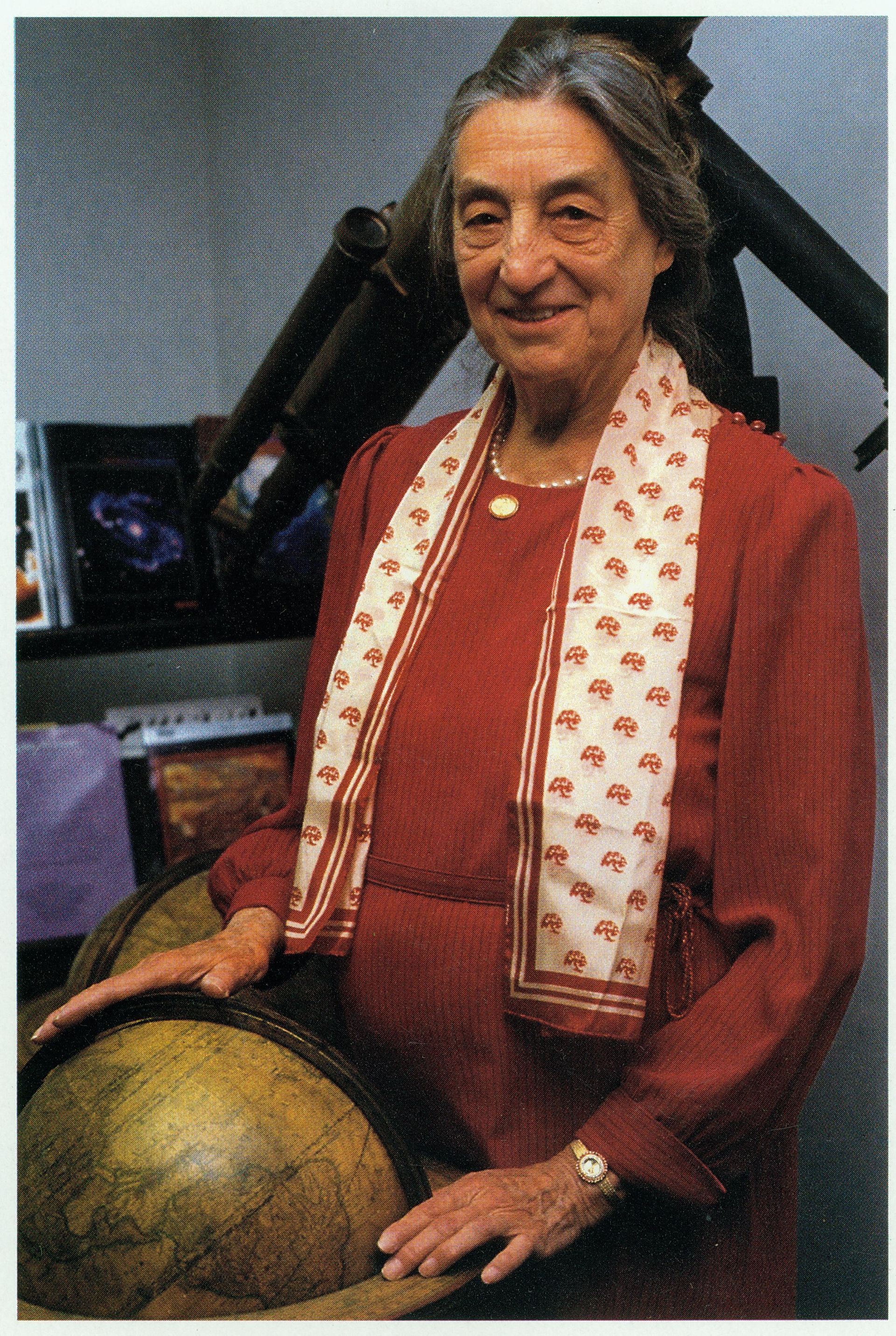

E. Dorrit Hoffleit, Ph.D.

Jascin N. Leonardo Finger • September 8, 2025

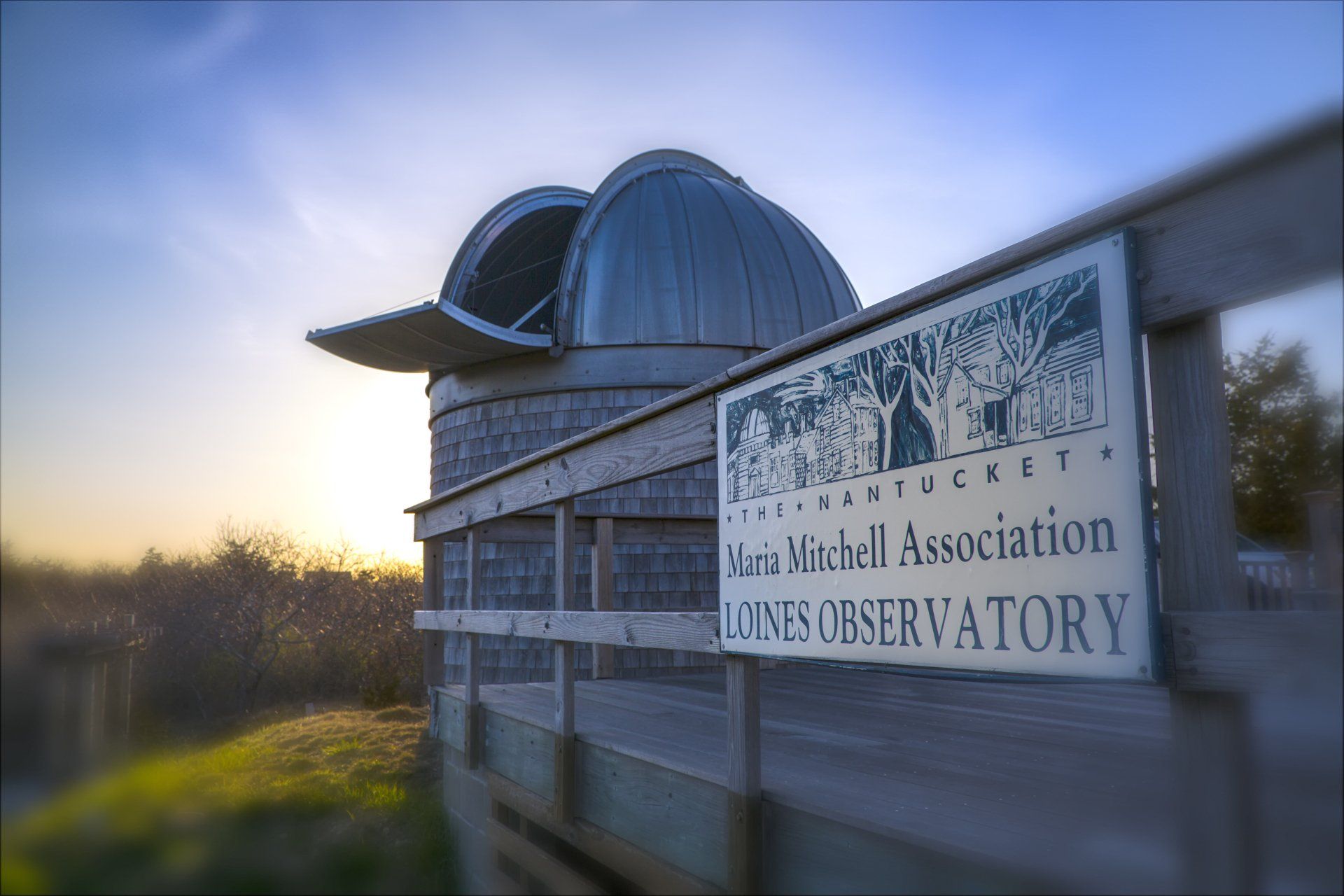
Dorrit Hoffleit began her tenure at the MMO in 1957. A graduate of Radcliffe, Hoffleit earned a Ph.D. from Radcliffe in 1938. During World War Two, she worked for the U. S. government on missile trajectories and joined Yale’s Astronomy Department in 1956. Her directorship of the MMO allowed her to work part of the year on island and the remainder at Yale with the two organizations sharing her salary. She was the principal author of the Yale Bright Star Catalog – work that was continually added to over fifty years – and her work also focused on the study of variable stars. Hoffleit continued in the path of Harwood with research and public outreach, and bringing worldwide recognition to the MMO. Among her many accomplishments on behalf of the MMO, Hoffleit is known for her work with the National Science Foundation (NSF) and a grant she received in 1957 to allow for the summer training of female undergraduate students in astronomy. This was the pilot project for the national program of the Research Experiences for Undergraduates (REU) in various branches of science and technology, launched by the NSF in 1990. The MMA became a permanent REU site in astronomy, which is funded by the NSF based on periodically submitted proposals. Today, the MMO continues to have a lasting effect on its students. More than five percent of all the U.S. women becoming Ph.D.s in astronomy have participated in the MMA REU program. The probability of a current MMA REU student (either female or male) to become a Ph.D. is approximately sixty percent. Approximately fifty current professors of astronomy in the U. S. have participated in the REU program at the MMA. Hoffleit who retired from the MMO in 1978, continued her connections to the MMA up until the last weeks of her life. She passed away in 2007 at the age of one hundred.


JNLF

Recent Posts
By Jascin N. Leonardo Finger September 14, 2026
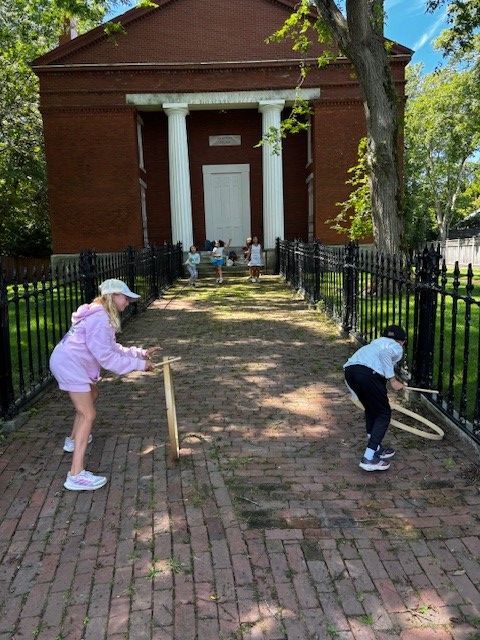
Do you know what these Mitchell House Junior Historians are doing? It is a good old-fashioned round of hoop rolling. And, they had a lot of fun learning how to use them down at the Coffin School one day. Hoop rolling or hoop trundling were popular from very early on and well into the twentieth century. By early on I mean Ancient Greece even. It’s on ancient pottery and was not limited to children! Native Americans, ancient Rome, 16 th century England – it’s been known by different names, taken various formats, played by various ages, and played through various ages. In the nineteenth century, both boys and girls did hoop rolling – and it was likely seen as a more “ladylike” active game that girls could play. I’m assuming that is likely the reason why several women’s colleges still have I tradition of rolling hoops. We use these sometimes in the summer during our weeklong Mitchell House children’s program – Junior Historians. Do not be too surprised if you see me out on the lawn on Vestal Street practicing on warm days this fall, winter, and spring! Got to get up to speed! JNLF
September 1, 2026
“If you don’t look, you don’t see. You have to go and look.” -Edith Andrews
By Jascin Leonardo Finger August 31, 2026
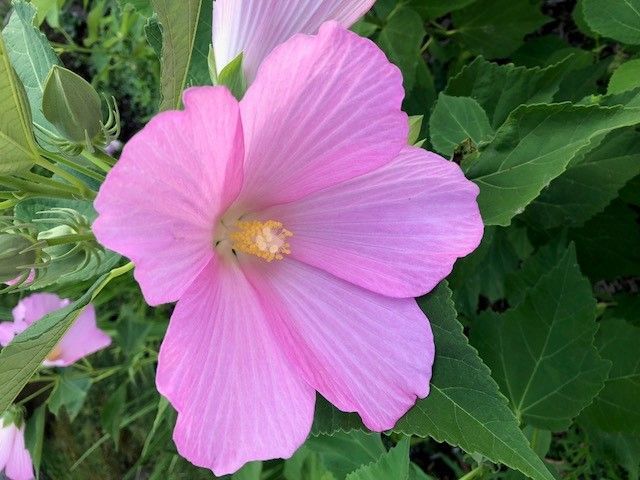
I’m sure you’ve seen it as you trek about the island – near the beaches and ponds. This image is of the swamp or marsh mallow that we have on Vestal Street in our garden out front of the Observatory. It can grow in drier places – though it’s not as lush as at Capaum Pond or out in Quaise. It’s in the Hibiscus family – and is fairly tropical looking and always a delight to see.  “When in bloom, one of the most showy plants of the Island, for a mass of the magnificent, large flowers on the edge of a blue pond causes one’s heart to thrill at the wealth of deep pink colour . . .” from Nantucket Wild Flowers, Alice O. Albertson (cousin of Maria Mitchell), 1921. JNLF
Show More