

Marine Science Research & Mentoring
Summer Program
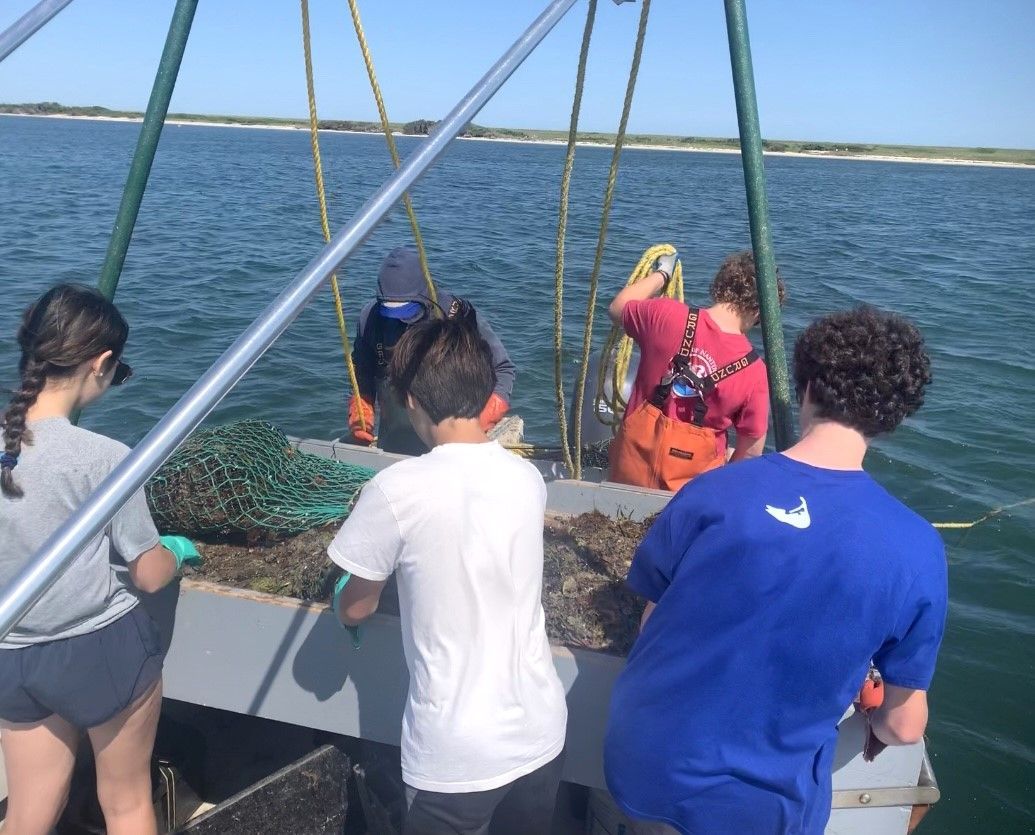
Marine Science Research & Mentoring Summer Program
The MMA is proud to announce the return of its 2026 Marine Science Research & Mentoring Program for students grades eight through twelve. This immersive program for students passionate about marine science and environmental stewardship is generously supported by the Great Harbor Yacht Club Foundation.
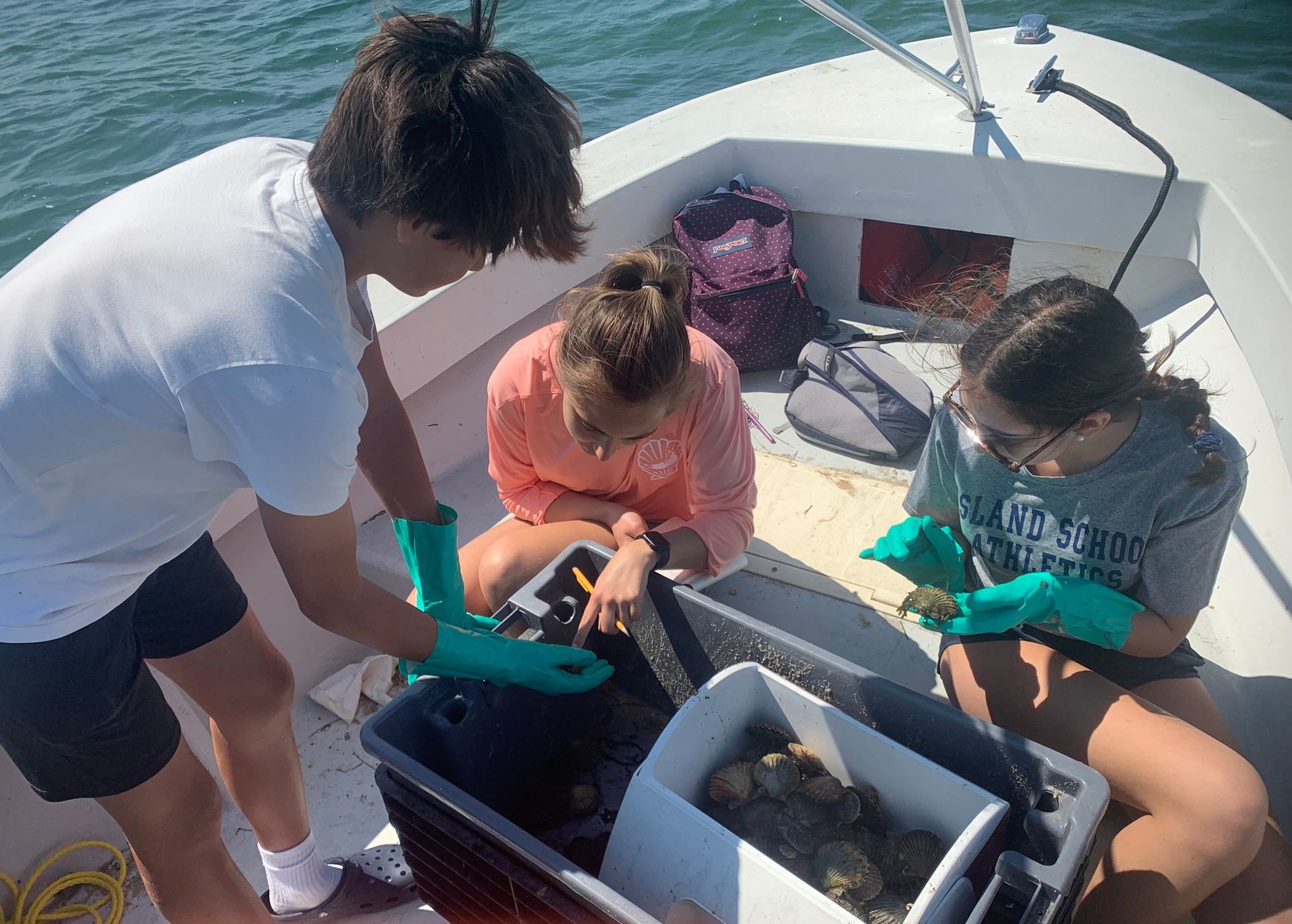
This summer, the program will include various interactive activities with an extraordinary opportunity to engage in real-world Nantucket Harbor ecology and Bay Scallop science research, gain hands-on experience in field studies, and work alongside expert mentors in a dynamic scientific environment all while giving students a comprehensive understanding of marine biology and environmental science.
Students will learn from local conservation collaborators including the Nantucket Conservation Foundation, the Town of Nantucket Natural Resources Departments, Brant Point Shellfish Hatchery, and many other organizations and independent stewards.
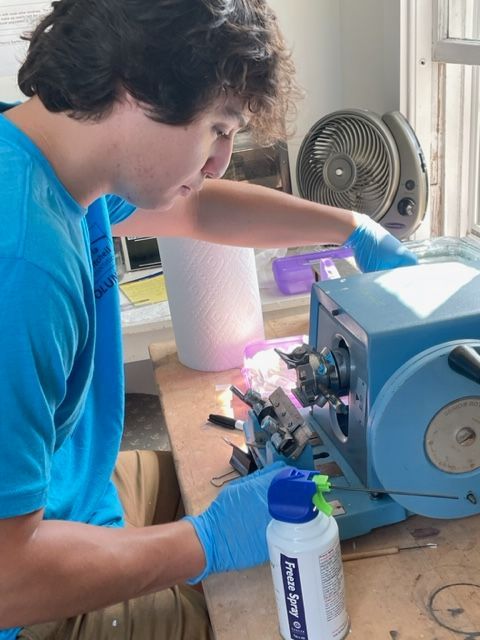
Throughout the program, students build core field and laboratory skills each week, including water sampling and water-quality testing (e.g., temperature, pH, salinity, dissolved oxygen), species and habitat observation and identification, microscopy, basic dissection or histological techniques, and systematic data collection. Students also develop scientific communication skills through maintaining field and lab journals, graphing and analyzing data, writing observations, and delivering short oral “field updates” or summaries of findings.
Whether you’re interested in bay scallops, coastal ecosystems, water quality, habitat restoration, marine technology, or conservation — our program offers a pathway to learn, contribute, and grow.
For questions and inquiries, please contact programs@mariamitchell.org
The Marine Science Research & Mentoring Program will run across five, two-week sessions this summer. Students will dive deep into topics such as Water Quality and Marine Chemistry, Coastal Ecology and Biodiversity, and Marine Technology.
JUNE 29 - JULY 10
Session I: Youth Harbor Education Program (YHEP) Foundations of Harbor Ecology & Bay Scallops
*Program does not meet on Friday, July 3
JULY 13 - 24
Session II: Water Quality and Marine Chemistry
Sold Out
JULY 27 - 31
Session III: Coastal Ecology, Biodiversity, & Habitat Studies
Sold Out
AUGUST 10 - 14
Session IV: Beyond the Foundations: Harbor Ecology & Marine Technology
Each session meets Monday to Friday
9am - 1pm
Cost $950 per participant
Registration is per session.
*Full scholarships are available for Nantucket Island Students
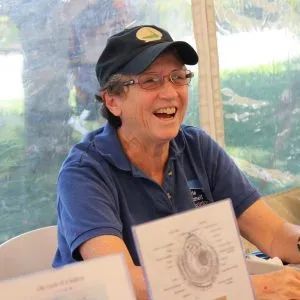
Image of Dr. Valerie Hall
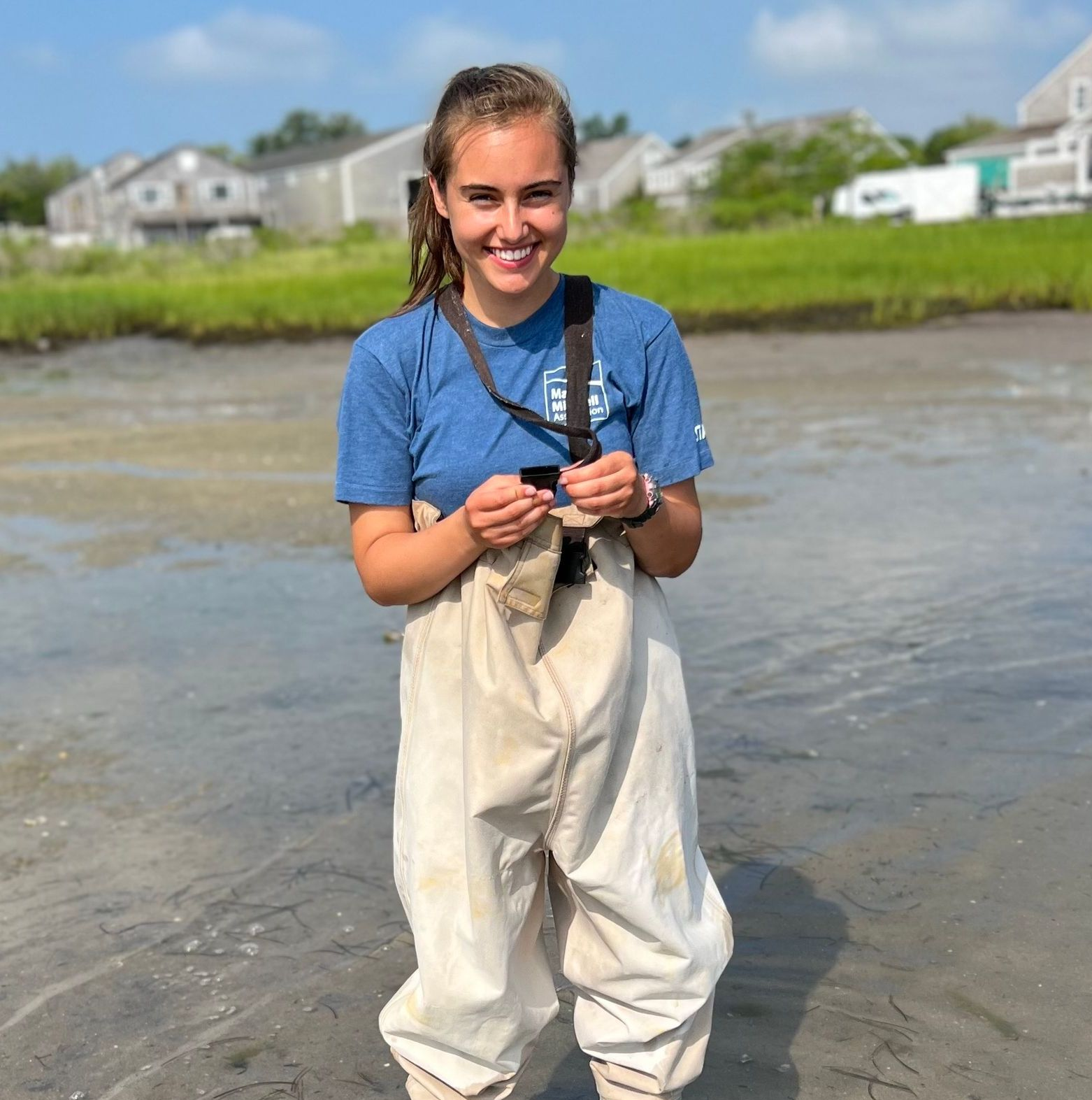
Image of Katherine Whittle,
2025 Scallop Program Director
Nantucket Marine Science Research and Mentoring Program History
Dr. Valerie Hall, Director Emeritus, instituted and directed the scallop program since its inception in 2016 as the final portion of a grant received from the Nantucket Shellfish Association. The purpose of the project was to continue the study of the reproduction of the bay scallop over the course of the summer, in order, to assess the importance of the timing of spawning; in particular that of the second spawn.
In the past five years, the effect of climate change on scallop reproduction has been added to our research. Each year, scallops were collected biweekly and gonadal tissue was prepared following standard techniques of paraffin histology. The final product of every collection was a set of stained slides. Students participated in every aspect of this research, from collection of the scallops to analysis of the stained slides.
For the life cycle of the program, the Maria Mitchell Association, first at the Hinchman House Natural Science Museum and the Research Center, and now at its 33 Washington Street property has provided the operating base location and supplemental funding. The Nantucket Shellfish Association (NSA) remained the major funder until the summer of 2021, when the Great Harbor Yacht Club Foundation began to underwrite the program, with the NSA as supplemental funder. Other funders in past years include the Nantucket Biodiversity Initiative, Madaket Marine, as well as donations from parents such as Abrar and Laura Qureshi, Ami Sokol, and others.
Katherine Whittle became the Maria Mitchell Association’s Scallop Program Director in 2025, after joining the MMA as an Aquarium Intern in 2023. She studied biochemistry and economics at William & Mary, where she advised synthetic biology research, wrote international sustainable development competition cases, and conducted research on coastal natural capital markets through the Virginia Institute of Marine Science (VIMS).
Whittle enjoys leading applied environmental projects that combine scientific rigor with social impact. She finds Nantucket uniquely inspiring for its engaged, curious, and inclusive community, as well as its spectacular biodiversity, making it immensely rewarding to teach and learn on the island.
Historic Program Sponsors

Registration Information
***PLEASE REMEMBER***
The medical release pick up form is now filled out as part of the registration process. Before you register make sure you have:
- Phone number for your child’s doctor
- Health insurance details
- Emergency contacts and phone numbers
- Names and contact info for people on your child’s pick-up list
- Medication details if applicable
You will be notified of the required physical and immunization records during the registration process and will receive these details in the confirmation email you receive upon registering. If you are still unsure,
please visit the required medical forms page.