Stitch, Stitch, Stitch: Nantucket Sewing Circles of the Nineteenth Century And Their Support for Those In Need
Jascin N. Leonardo Finger • February 2, 2026

Maria Mitchell once said, “When I see a woman sew, I think, what a capacity she has for using a micrometer!” So, maybe what I am about to write would be a bit disappointing to her. However, I believe she was likely pleased by what sewing circles on Nantucket could accomplish for her fellow Nantucketers. As, the great-granddaughter of a milliner and extremely talented seamstress (she hand-smocked about twenty dresses for me when I was an infant and did all of that with rheumatoid arthritis!) and the granddaughter of two talented women of sewing and needlework, my apologies to Maria . . . . 


The sewing circles that arose on Nantucket in the nineteenth century were formed in part because of the Great Fire of 1846, which, along with the demise of whaling and the lure of the Gold Rush, helped to bring about an economic depression that would last decades and cause Nantucket’s population to decrease from its height of around 10,000 in the 1830s to fewer than 2,000 people by the late nineteenth century. The sewing circles helped struggling families by providing them with clothes, food, and even paying their rent. 


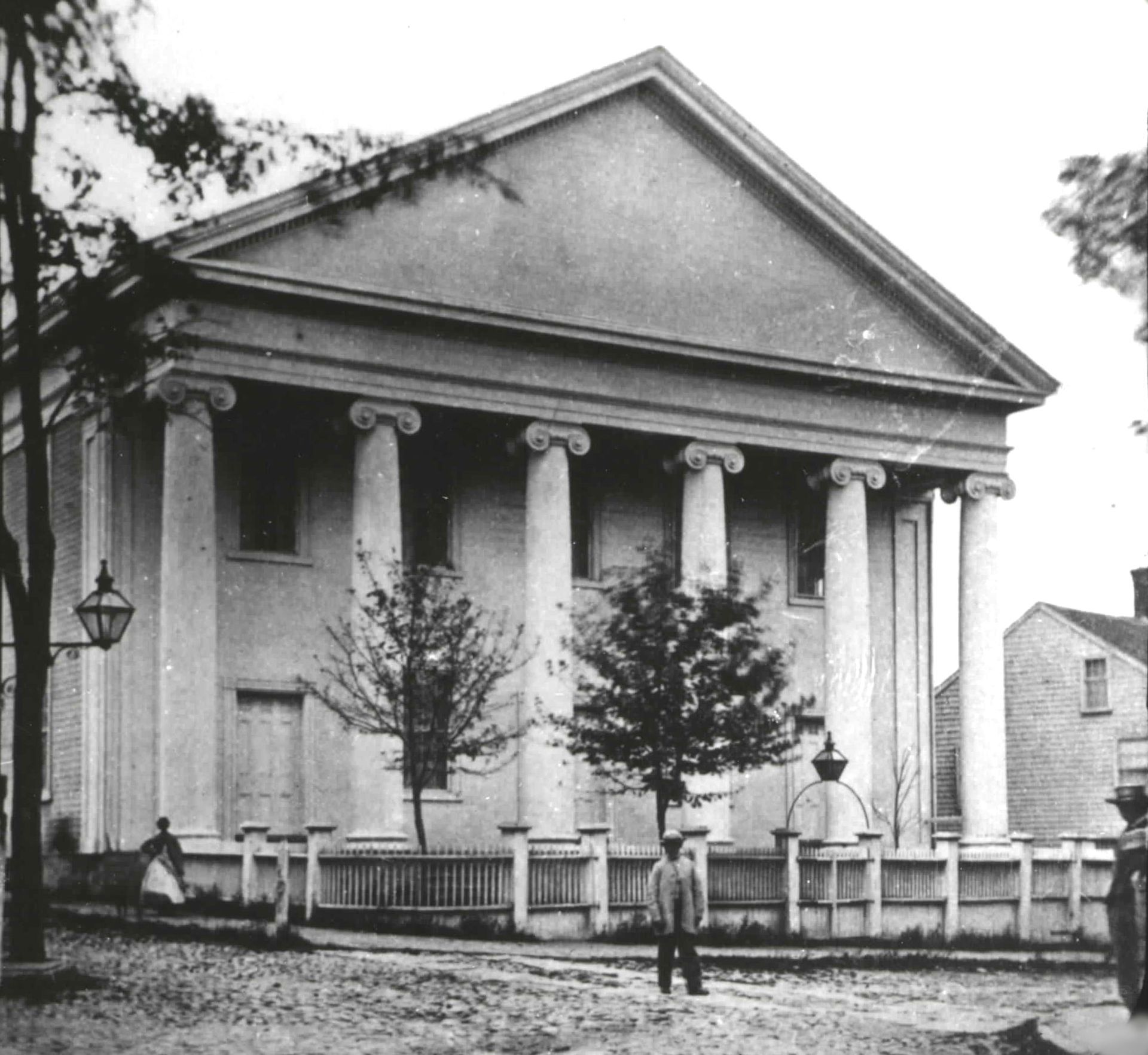
Many of the organizations rose from within the churches of the island and all were founded, managed, and run by women. The Ladies Union Circle of the First Congregational Church, established in 1846, was followed by similar groups, such as the Unitarian Sewing Society and the Ladies Wesleyan Society of the Methodist Episcopal Church, both established in 1850. The women gathered together to create, sew, and sell their creations to raise money for those in need and for their own churches. The groups not only generated the money to help others; they also provided a social venue for those who remained on Nantucket and witnessed the quickly deteriorating social fabric of their island home. The societies served as a positive network and support group for their members. 


The women’s activities, accomplished many good deeds, and one group, the Unitarians, was even able to purchase a parish house for the church with funds they raised – no small task. Additionally, the sewing circles gave rise to other groups that many islanders heavily relied upon in the nineteenth century: the Relief Association, the Children’s Aid Society, and the Ladies Howard Society, which could date its beginnings to the era of the American Revolution. The Relief Association is still in existence today; assisting island families in need.


The act of helping your fellow islander is something that has been a constant on Nantucket, back to when the first English came to the island to settle in 1659. Some of it is born of the isolation of the island, but it is largely that the island is akin to one big family and that is what you do, you take care of your family.


JNLF

Recent Posts
By Jascin N. Leonardo Finger March 17, 2026
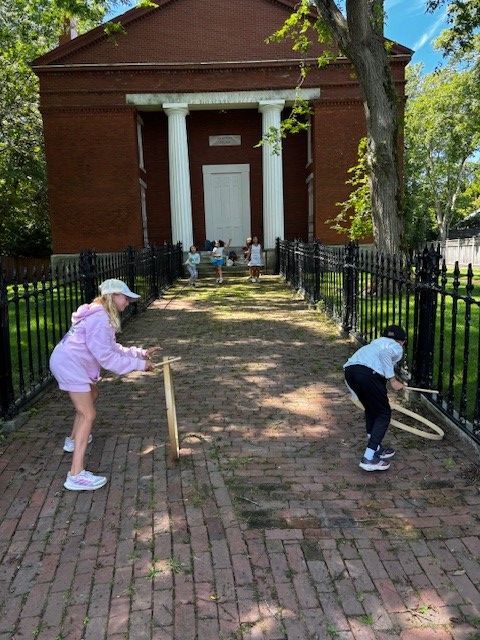
For several years now, we have been teaming up with the Nantucket Historical Association in March for Women’s History Month. We visit each senior living or meeting site on island – five in all over the course of the month. We work to unique history of the place of women in our community then and through today – an incredible legacy that in the nineteenth century and earlier was quite unusual. We highlight women from all walks of island life, their accomplishments, and how they helped and influenced others. You see, Maria Mitchell was not the only incredible woman that Nantucket produced. For example, Eliza Codd was the island's first woman architect - and the leading architect on island when she practiced. Nantucket women shared their knowledge, path, support, and guidance with others both here and away and became major influences in the rights of women, women’s education, and the general place of women in society. Pretty incredible for such a small island! JNLF
By Jascin N. Leonardo Finger March 9, 2026
I have posted this during Women’s History Month before but because it is March and again Women’s History Month, I think it’s worth repeating. It’s clever and helps to tell an important story in women’s history while giving it a bit of a 21 st century twist. It comes via the National Women’s History Project. JNLF
March 6, 2026
NANTUCKET, MA—The Maria Mitchell Association (MMA) invites the community to take part in an important conversation on owl preservation. The MMA will host a free virtual panel bringing together specialists in wildlife conservation to discuss the challenges these remarkable birds face today on Nantucket and beyond. This free presentation will take place Wednesday, March 18 from 6 – 7pm on Zoom. Owls are an essential part of Nantucket’s delicate island ecosystem. As natural predators, they help keep rodent populations in balance and serve as important indicators of environmental health. In recent years, however, growing threats—including the spread of Avian Influenza and the widespread use of rodenticides— have raised serious concerns for local owl populations and the broader bird community. This timely discussion will explore how these issues are affecting owls across the region and what they may mean for Nantucket’s wildlife and landscape. Panelists will share current research, discuss conservation efforts, and offer practical ways the community can help protect these iconic nocturnal hunters. By bringing together scientists, conservationists, and community members, the event aims to foster awareness and collaboration around protecting Nantucket’s natural heritage. Residents, nature enthusiasts, and anyone interested in the island’s wildlife are encouraged to join the conversation. The discussion will feature acclaimed naturalist and author, Scott Weidensaul, a Pulitzer Prize finalist for his book, Living on the Wind. He is also the author of A World on the Wing. A contributing editor to National Audubon and a longtime columnist for Bird Watcher's Digest, Weidensaul is a Fellow of the American Ornithological Society and co-founder of Project SNOWstorm, which tracks snowy owl movements through satellite telemetry. Joining Weidensaul will be Susan Baker of the Chicago Ornithological Society and the Chicago Bird Alliance Rodenticide Committee; Meaghan Q. Sinclair, a Mass Audubon Certified Field Naturalist, wildlife photographer, co-founder of Save Concord Wildlife, and member of the Mass Audubon Governance Council; Heather Packard, Community Organizer with Mass Audubon’s Policy & Advocacy team and manager of Climate and Nature Champions; Gwen Shipley, a Council Co-Leader and Climate and Nature Champion with Mass Audubon; and Ginger Andrews, the MMA’s Field Ornithologist. Together, these distinguished experts bring deep scientific expertise, conservation leadership, and extensive field experience to a timely and engaging discussion. This event will be held via Zoom. Pre-registration is required. To register for the free, virtual event, use the registration link: https://us06web.zoom.us/webinar/register/WN_9EGqyJ3XT06N8-GU14iuog#/registration The Science Speaker Series is generously sponsored by the Maria Mitchell Association’s lead sponsor, Bank of America. Image Credit: Snowy Owl by the late Greg Hinson. The Maria Mitchell Association was founded in 1902 to preserve the legacy of Nantucket native astronomer, naturalist, librarian, and educator, Maria Mitchell. After she discovered a comet in 1847, Mitchell’s international fame led to many achievements and awards, including an appointment as the first professor of astronomy at Vassar College. Maria Mitchell believed in “learning by doing” and today that philosophy is reflected in the MMA’s mission statement, programs, research projects, and other activities. The Maria Mitchell Association operates two observatories, a natural science museum, an aquarium, a research center, and preserves the historic birthplace of Maria Mitchell. A wide variety of science and history-related programming is offered throughout the year for people of all ages. ###
Show More