
Nantucket Maria Mitchell Association Summer 2023 Programs and Events are Live for Registration
NANTUCKET, MA—The Nantucket Maria Mitchell Association (MMA), your portal to Nantucket’s natural world, announced its schedule for another summer full of science education, research, and exploration of the sky, land, and sea of Nantucket Island through its award-winning Discovery Camp, robust summer programs, events, and the reopening of its properties.
On Monday, June 12, 2023, the MMA will reopen its Aquarium (28 Washington Street), Hinchman House Natural Science Museum (7 Milk Street), and Historic Mitchell House (1 Vestal Street). These properties will be open Monday-Friday from 10AM-4PM and Saturdays from 10AM-1PM. Tours (self-guided, except at the Mitchell House where visitors take guided tours) are available on a rolling basis throughout the day and do not require a reservation. An all-MMA properties pass ($22 Adult, $12 Children) provides admission to each property and can be purchased in-person upon entering the properties. A single entry to the Historic Mitchell House is available for $10 Adult, $8 Children. In addition to entry at the three properties, the property pass provides admission to a Stargazing Open Night, which must be registered for in advance online. Admission to all MMA properties is free for MMA Members.
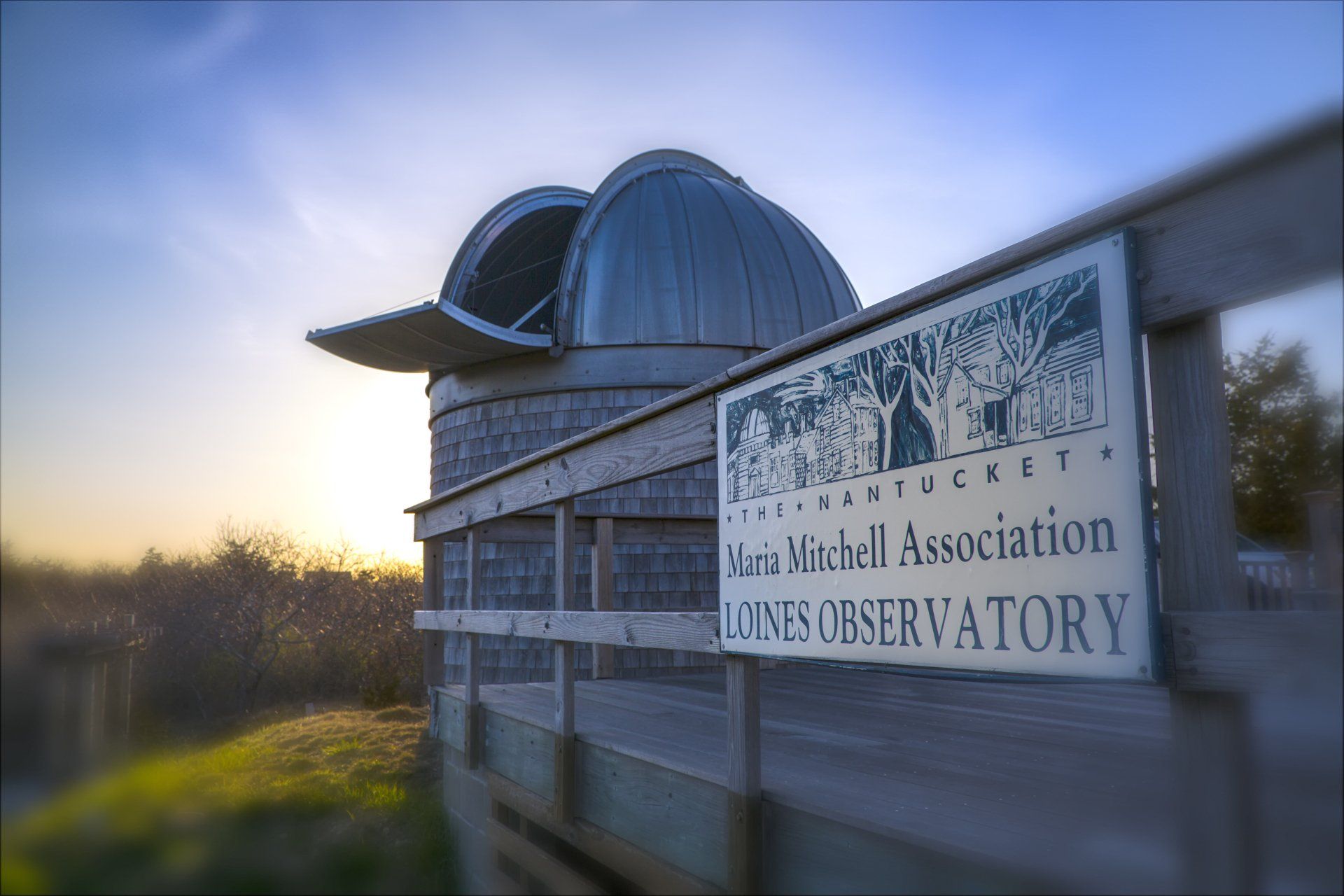
Stargazing Open Nights at Loines Observatory (59 Milk Street Ext.) will begin on Monday, June 12and are offered on Mondays, Tuesdays, and Wednesdays at 9PM and 9:45PM and the admissions is part of the MMA site pass ($22 Adult, $12 Children, free for Members, and free for those already holding an all-MMA properties pass). You must register for Open Nights in advance online at: www.mariamitchell.org/calendar for these 45-minute Observatory programs. The MMA Astronomy staff will lead constellation tours and guide visitors through viewing stations inside and outside the observatory domes. Participants will have a chance to view astronomical objects through our historic 8-inch Alvan Clark refractor and our modern 24-inch research telescope. Get a chance to view the Moon, planets, star clusters, nebulae, and even other galaxies!
Summer 2023 Program offerings, across our sites, include: Maria Mitchell and the Daring Daughters of Nantucket, Four Centuries Domestic Tour, Family Sailor’s Valentines, Preserving Monuments of our Ancestors, Oika for Earthlings, Ravenous Reptiles, Nature Story Hour, Bug Bonanza, Saturday Science, Feeding Frenzy, Beach Biology Field Trip, Marine Ecology Field Trip, Night Marine Ecology Field Trip, Marine Story Hour, Owl Prowl, Nantucket Bird Walk, Earth Story Walk, Full Moon Walk, Nature Based Meditation, Sunrise Beach Meditation, Sunrise Yoga Flow and others. These programs will be offered throughout the summer and are now open for registration. New program offerings this year include Oika for Artists, Big History/James Webb Space Telescope, Full Moon Walk, Nature Based Meditation, Sunrise Beach Meditation, Sunrise Yoga Flow, and our Free community Birding with Ginger Andrews. For the full schedule of programs and registration information, please visit www.mariamitchell.org/calendar
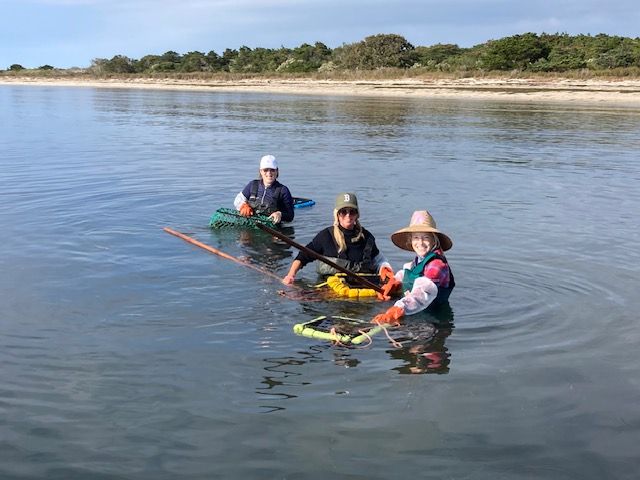
Other events and program offerings this year include the Maria Mitchell Birthday Party Open House on August 1, Astrophotography with Charity Grace Mofsen, the Horseshoe Crab Solstice Walk, Horseshoe Crab Community Science Surveys, Green Crab Surveys, the Celestial Stakeout at Loines Observatory, Green Crab Week’s Green Crab Derby, and our complete Artist-In-Residence program with individual special workshops and events.
Our informative and popular Science Speaker Series, a complimentary bi-monthly lecture series, will continue throughout the summer from 7-8PM and will be presented via Zoom. The summer lineup will feature over a dozen scientists from Nantucket and beyond. A special thank you to our lead sponsor Bank of America, in addition to the White Elephant Hotels and Resorts and Cisco Brewers of Nantucket who also make this program accessible to all.
The MMA’s award-winning Discovery Camp kicks off on June 20th. Offered weekly for children ages 5-16, this summer there are ten weeks of our popular camps such as “Animal Signs & Senses,” “Amazing Adaptations,” “Coastal Resiliency and Nantucket Ecology,” “Cosmic & Climate Connections,” “Junior Historians - A walk through Nantucket,” and, “Junior Astronomers – Reaches of the Universe.” Visit https://www.mariamitchell.org/camp-programs to check availability and to register.
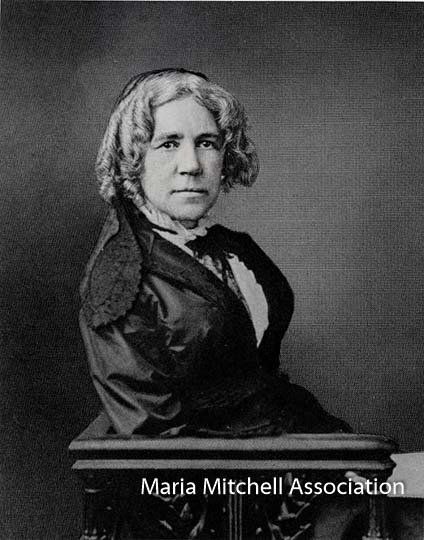
The Maria Mitchell Association was founded in 1902 to preserve the legacy of Nantucket native astronomer, naturalist, librarian, and educator, Maria Mitchell. After she discovered a comet in 1847, Mitchell’s international fame led to many achievements and awards, including an appointment as the first female professor of astronomy at Vassar College. Maria Mitchell believed in “learning by doing” and today that philosophy is reflected in the MMA’s mission statement, programs, research projects, and other activities. The Maria Mitchell Association operates two observatories, a natural science museum, an aquarium, a research center, and preserves the historic birthplace of Maria Mitchell. A wide variety of science and history-related programming is offered throughout the year for people of all ages.
###
Recent Posts