
Nantucket Maria Mitchell Association Welcomes a Panel Discussion on Owl Preservation for March Science Speaker Series
NANTUCKET, MA—The Maria Mitchell Association (MMA) invites the community to take part in an important conversation on owl preservation. The MMA will host a free virtual panel bringing together specialists in wildlife conservation to discuss the challenges these remarkable birds face today on Nantucket and beyond. This free presentation will take place Wednesday, March 18 from 6 – 7pm on Zoom.
Owls are an essential part of Nantucket’s delicate island ecosystem. As natural predators, they help keep rodent populations in balance and serve as important indicators of environmental health. In recent years, however, growing threats—including the spread of Avian Influenza and the widespread use of rodenticides—
have raised serious concerns for local owl populations and the broader bird community.
This timely discussion will explore how these issues are affecting owls across the region and what they may mean for Nantucket’s wildlife and landscape. Panelists will share current research, discuss conservation efforts, and offer practical ways the community can help protect these iconic nocturnal hunters.
By bringing together scientists, conservationists, and community members, the event aims to foster awareness and collaboration around protecting Nantucket’s natural heritage. Residents, nature enthusiasts, and anyone interested in the island’s wildlife are encouraged to join the conversation.
The discussion will feature acclaimed naturalist and author, Scott Weidensaul, a Pulitzer Prize finalist for his book, Living on the Wind. He is also the author of A World on the Wing. A contributing editor to National Audubon and a longtime columnist for Bird Watcher's Digest, Weidensaul is a Fellow of the American
Ornithological Society and co-founder of Project SNOWstorm, which tracks snowy owl movements through satellite telemetry. Joining Weidensaul will be Susan Baker of the Chicago Ornithological Society and the Chicago Bird Alliance Rodenticide Committee; Meaghan Q. Sinclair, a Mass Audubon Certified Field Naturalist, wildlife photographer, co-founder of Save Concord Wildlife, and member of the Mass Audubon Governance Council; Heather Packard,
Community Organizer with Mass Audubon’s Policy & Advocacy team and manager of Climate and Nature Champions; Gwen Shipley, a Council Co-Leader and Climate and Nature Champion with Mass Audubon; and Ginger Andrews, the MMA’s Field Ornithologist.
Together, these distinguished experts bring deep scientific expertise, conservation leadership, and extensive field experience to a timely and engaging discussion.
This event will be held via Zoom. Pre-registration is required. To register for the free, virtual event, use the registration link: https://us06web.zoom.us/webinar/register/WN_9EGqyJ3XT06N8-GU14iuog#/registration
The Science Speaker Series is generously sponsored by the Maria Mitchell Association’s lead sponsor, Bank of
America.
Image Credit: Snowy Owl by the late Greg Hinson.
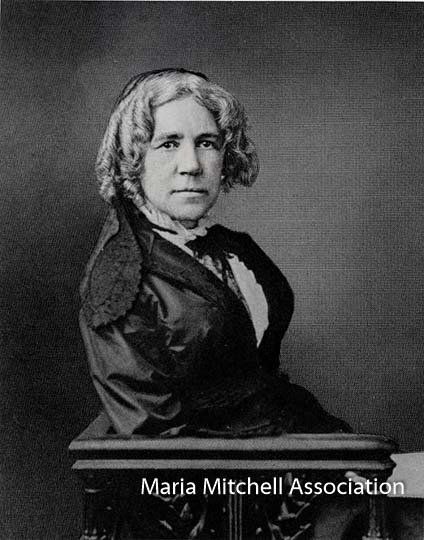
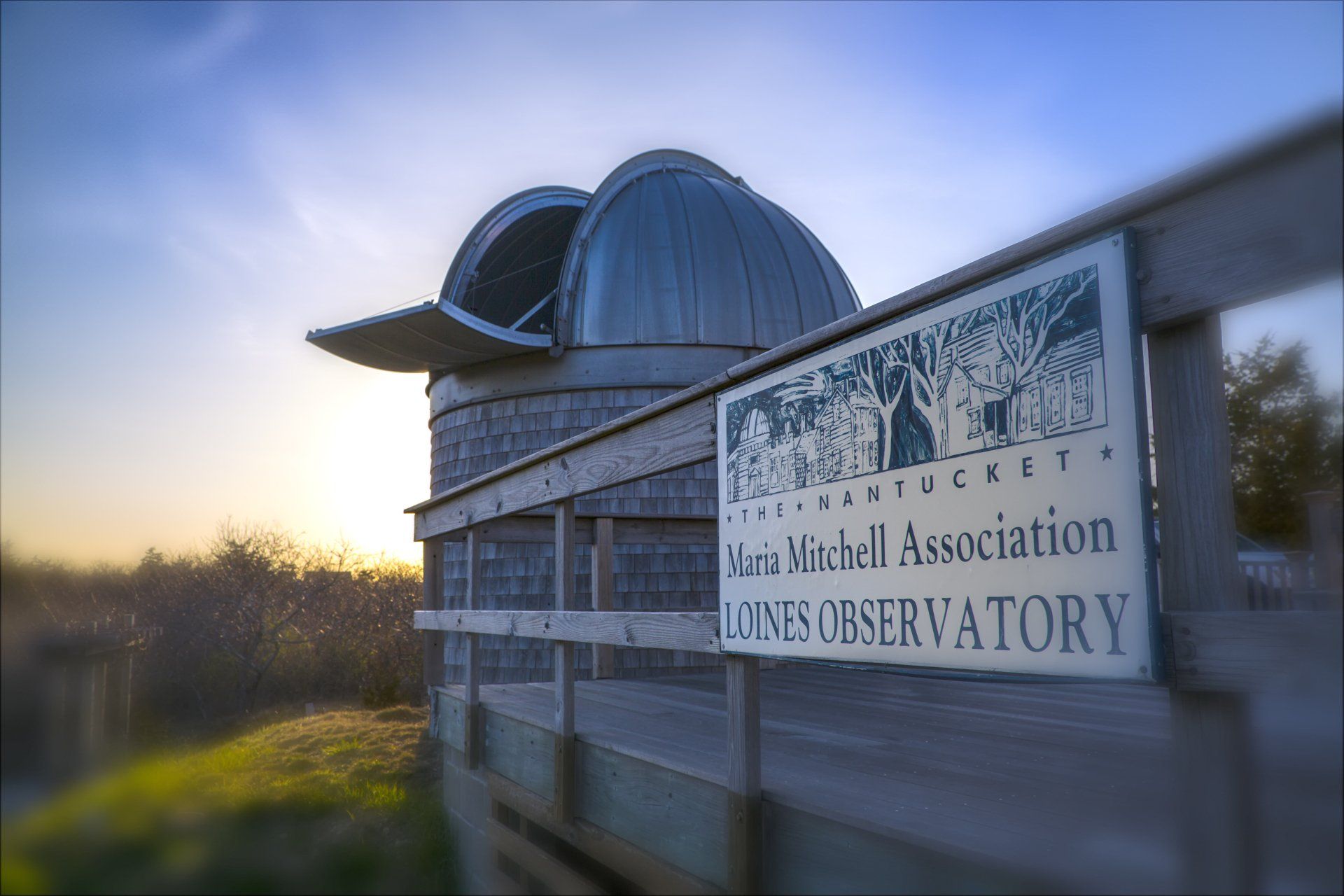
The Maria Mitchell Association was founded in 1902 to preserve the legacy of Nantucket native astronomer, naturalist, librarian, and educator, Maria Mitchell. After she discovered a comet in 1847, Mitchell’s international fame led to many achievements and awards, including an appointment as the first professor of astronomy at Vassar College. Maria Mitchell believed in “learning by doing” and today that philosophy is reflected in the MMA’s mission statement, programs, research projects, and other activities. The Maria Mitchell Association operates two observatories, a natural science museum, an aquarium, a research center, and preserves the historic birthplace of Maria Mitchell. A wide variety of science and history-related programming is offered throughout the year for people of all ages.
###
For Immediate Release
March 6, 2026
Contact: Joanna Roche
jroche@mariamitchell.org
Recent Posts