September 18, 2026
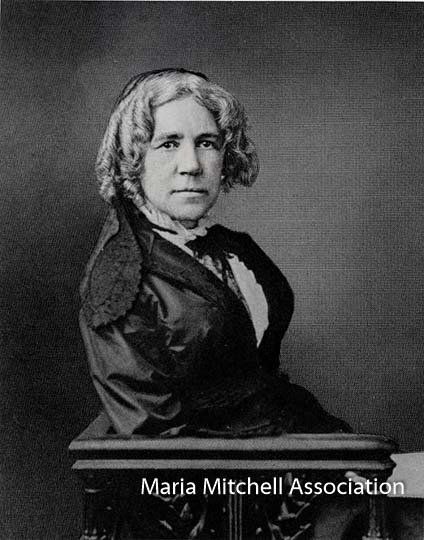
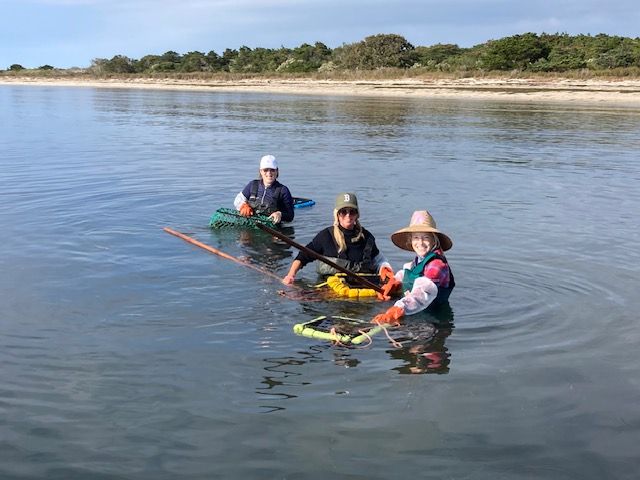
NANTUCKET, MA— The Nantucket Maria Mitchell Association (MMA) is pleased to announce the launch of its 2026 Scalloping Field Trip Programs and Special Scalloping Experiences, set to begin October 1. These hands-on, educational experiences invite participants to explore the island’s coastal waters alongside MMA Aquarium staff while learning about the ecology and conservation of Nantucket’s iconic bay scallops. SCALLOPING FIELD TRIPS Join the MMA Aquarium Manager, Chelsea Petrik, and head into the water to collect scallops while learning about their biology, life cycle, and the challenges bay scallops face in today’s changing environment. Hand nets and adult waders will be provided. A shellfish permit is required to participate if attendees wish to take their catch home. Scalloping Field Trips meet at one of multiple locations along Nantucket Harbor to account for changing scallop availability. Registrants will be notified of the exact location via email before the day of the program. Personal transport to and from the meeting location is required to participate. Dates: October 1 ,3, 4, 7, 8, 14, 17, 18, 21, 23, 24, 28, and 31; November 1, 4, 6, 12, 14, 15, 18, 21, and 22. Cost per Participant: $50 Pre-registration is required for this event and closes two hours before the start time of the program. Scalloping Field Trip Registration Link: https://112458a.blackbaudhosting.com/112458a/Scalloping-Field-Trip-01Oct2026 Private group scalloping field trips are also available for groups of up to eight people on select dates. To inquire, please e-mail programs@mariamitchell.org. “THE GREAT SCALLOP HUNT” — A SPECIAL SCALLOPING EXPERIENCE In addition to the MMA’s regular Scalloping Field Trips, the MMA will offer “The Great Scallop Hunt, an Island Immersion” on Friday, October 2, and Saturday, October 3. These special, separately ticketed experiences invite participants aboard Captain Bruce Beebe’s boat for an insider scalloping expedition on Nantucket Sound. Guests will harvest, shuck, and savor fresh Nantucket Bay scallops alongside Captain Beebe, with a picnic lunch and beverages included. Only six spots are available for each of these exclusive opportunities to discover Nantucket with Bruce Beebe, exploring the island’s most cherished traditions and hidden corners. Pre-registration is required. Tickets are $500 per person, with $250 of the ticket price tax-deductible. These experiences are separate from the $50 Scalloping Field Trip Program described above. A shellfish permit is required for attendees who wish to take their catch home. The Great Scallop Hunt Registration Link: https://112458a.blackbaudhosting.com/112458a/The-Great-Scallop-Hunt For more information on obtaining an individual shellfish permit, visit the Town of Nantucket website: https://www.nantucket-ma.gov/404.aspx?aspxerrorpath=/2304/Shellfish-Permit . The Maria Mitchell Association was founded in 1902 to preserve the legacy of Nantucket native astronomer, naturalist, librarian, and educator, Maria Mitchell. After she discovered a comet in 1847, Mitchell’s international fame led to many achievements and awards, including an appointment as the first female professor of astronomy at Vassar College. Maria Mitchell believed in “learning by doing” and today that philosophy is reflected in the MMA’s mission statement, programs, research projects, and other activities. The Maria Mitchell Association operates two observatories, a natural science museum, an aquarium, a research center, and preserves the historic birthplace of Maria Mitchell. A wide variety of science and history-related programming is offered throughout the year for people of all ages. ###