

Keep Calm and Bird On: September 2026
“If you don’t look, you don’t see. You have to go and look.”
-Edith Andrews
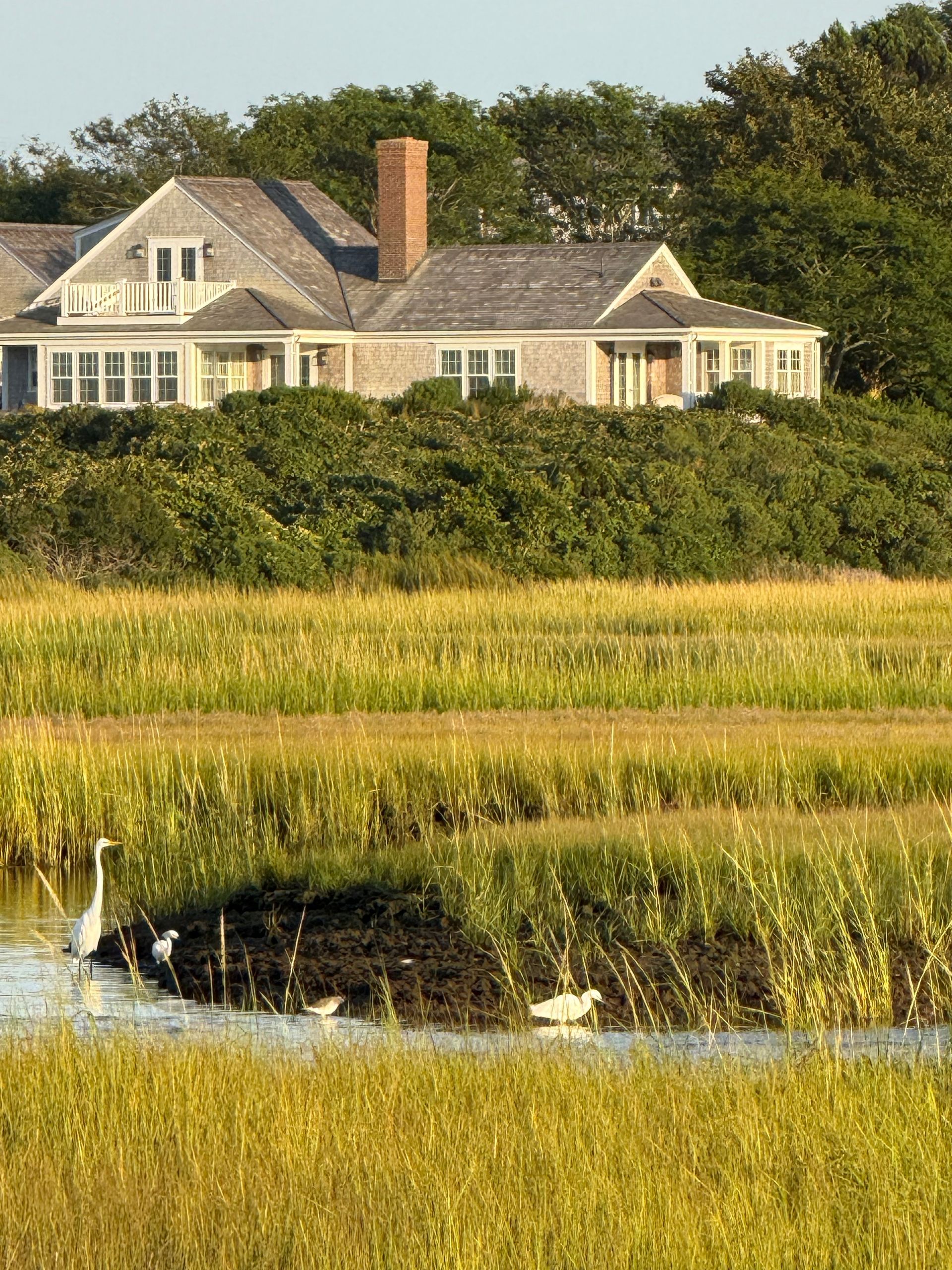
Photo of a Great Egret in late-summer by Ginger Andrews.
September is our golden month. It is our season of greatest abundance. All of nature: plants; seeds; fruits; insects; have reached their peak. And birds, yes, the recently fledged young, the birds of year—Juvies for short—are also at their most abundant.
We know, alas, that many of them—perhaps even half of this year’s crop—will not survive the rigors of migration, there and back again, sometimes journeying thousands of miles each way.
Or if they are a resident species, a storm, a tough winter, a lucky predator—the luck being on the predator’s side in such case—or human disturbance may cut their brief lives short.
But rather than falling into an autumn melancholy, remember the incredible generosity of nature, the huge fecundity that gives the world six or eight or twelve birds of the year so that three or four or six may survive to carry on.
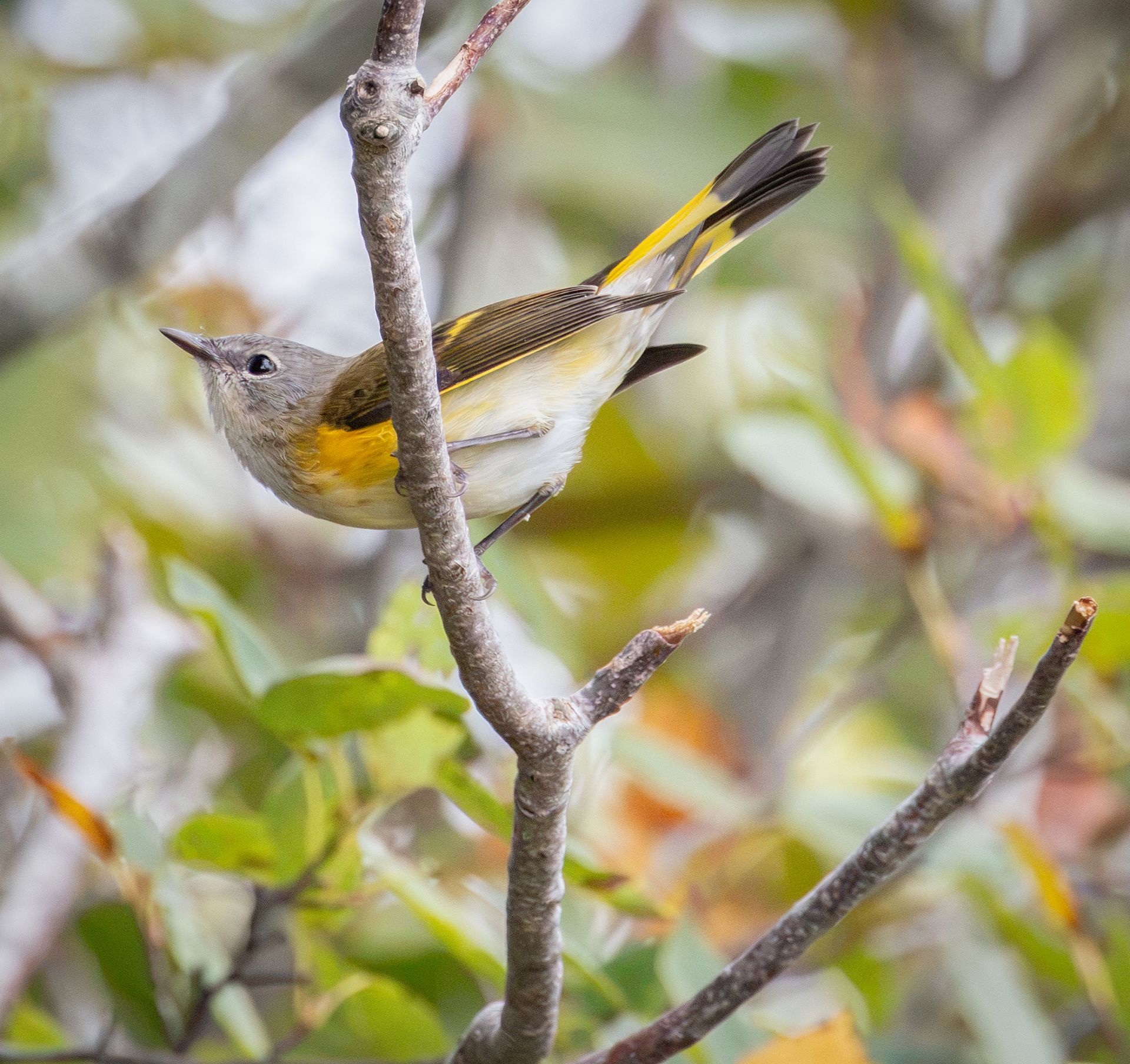
So, get out and appreciate the abundance of life. Fill in the gaps in your year list, if you keep one. Look for the fresh plumage of young shorebirds, their brand-new unworn feathers scalloped and brighter than the well-worn adults. Look for the young warblers, some in female-type or winter plumage. Yes, they too are at their most cryptic, but don’t let that stop you. Remember that a challenge is good for your brain.
Marvel that such small dinosaurs still live among us. And be grateful for them, and for the many caring institutions, small and large, that work to protect, monitor and preserve habitat for another year. And their employees who explain, direct, count young, pick up trash, mow paths and trim brush. Also, appreciate people with untidy, bird-friendly back yards. We are lucky to have them all.
Recent Posts