Getting There

Jascin N. Leonardo Finger • June 17, 2019

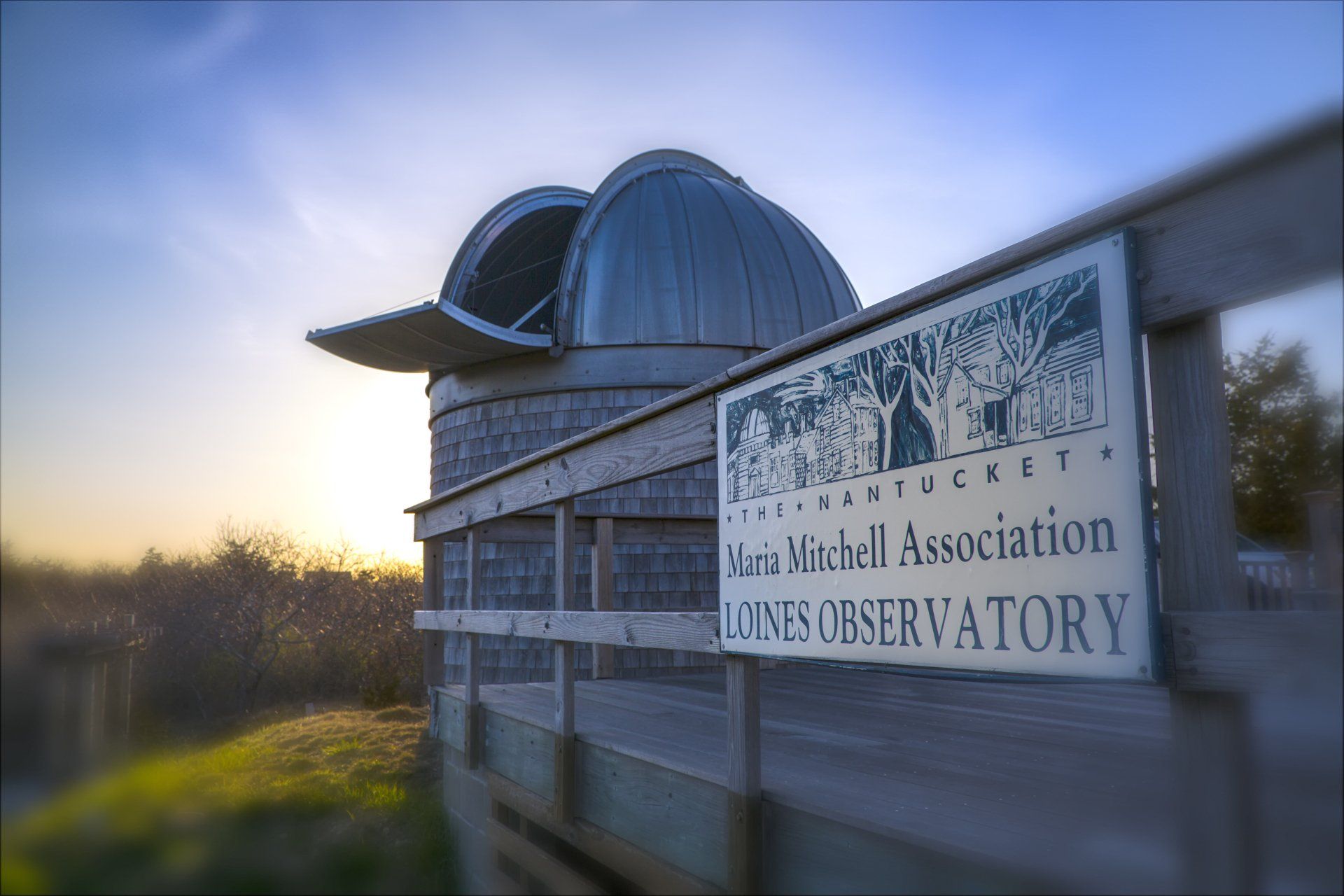
Last fall, you may remember, we received a gift that allowed us to work with our landscaper on re-doing the garden on Vestal Street in front of the Maria Mitchell Vestal Street Observatory.  I wrote a blog about it and then filled you in this spring on some of the planting.


Well, it needs some more work – onion grass is a BEAST to pull out – but we are getting there!  I’m happy to say that the mallow transplanted well, as did the Joe Pye Weed, and the Milkweed is popping up in all its random places.  I have also weeded out and planted some natives along the accessibility ramp at Hinchman House Natural Science Museum.  One will find regular garden plants mixed in – they are nice to still have and offer food to some of the visiting animals.  And along Mitchell House, I focus on heirloom plants, what was in William Mitchell’s garden and the other Mitchell family members who inhabited the House, and plants that were found in gardens in the nineteenth century.


I have installed plant tags to help identify the plants and I have two bigger garden signs that I created and are currently being fabricated (ah, the Internet).  They will be very small, printed signs on bamboo plaques but they will note why our gardens look a little messy.


We
do want the milkweed – it’s a happy host to milkweed beetles and even more importantly to monarchs which are fast losing their habitat – in fact it’s gone in many places.  We used to have thousands of monarchs every year on Vestal – not anymore.  We are lucky if we see a few dozen.  So, a wildflower and native species garden – as it has been for decades and decades in that same spot – is very important for the bird, insect, and mammalian life that needs it and also supports the MMA’s mission – just look to our Hinchman House Natural Science Museum and Department and you understand.


So come take a look, and cheer on some of our teeny, tiny seedlings as they grow.  Feel free to pull the onion grass – but leave everything else!  But oh – you can chase the bunnies away – they are back and eating everything including all my Morning Glories and they have just about taken down two gallon-sized cardinal flower plants!


JNLF

Recent Posts
December 1, 2025
“If you don’t look, you don’t see. You have to go and look.” -Edith Andrews
By Jascin N. Leonardo Finger December 1, 2025
A past blog that I forgot I had written when I came across the letter written about below. Once I realized I had already written a blog about it, I decided it was worth re-blogging. Over Christmas, a neighbor of my Mother’s gave her a copy of something she came across while cleaning things up in her house. She thought my Mother would enjoy it and by the same token, my Mother thought that I would. Her note with it stated it proved she was as, “old as dirt.” She isn’t old as dirt. Believe me. The letter she had copied was from the War Production Board and dated December 16, 1942. It was, “written at the request of President Roosevelt,” who wanted to thank this young girl for her donation of a rubber tire. This was not any old rubber tire you see. It was a pure rubber tire – very much needed for the war effort – from one of her toy airplanes and measured not more than half an inch or so in diameter. This young girl was distressed that everyone else, including in her family, was assisting in the war effort and that she wasn’t. So when she discovered the tire was rubber, she asked her mother to send it to Washington, DC. Which, obviously, her mother did do. What does this have to do with Maria Mitchell you wonder? Well, it makes me think of collections and saving things. You have your own collections and archives at home – your family papers and photographs, your books (aka special collection books). These are valuable to your family and its history. They help you see what and who came before you and how your family became a family. What they endured. How they got to where they did and how where they came from helped, in part, to get you to where you are today. And then, these papers and books are important for the larger community. We learn from our past and our collective past – and these items help us do that. Scores of researchers use Maria Mitchell’s papers and those of her family every year. Not everyone is doing research on the family – they can be doing research on astronomy or some science-related matter, someone whom Maria or her family knew. The possibilities are endless. So, from this little letter, I know a young girl in Connecticut contributed to the war effort and what she gave. I know that rubber (not that I didn’t already but you get the idea) was important to the war effort in some way. I also know that many people contributed to the war effort and this was just one simple way to do it. I know she had a toy that had rubber components. And as a young girl in 1942, she was playing with toy airplanes. And I know that the war effort was all consuming to the point that a small child wanted to make sure she found a way to help too while seeing her family members helping. Your paper is important. Always find a venue for these items if you no longer want them. They will help us to better understand our world – past and present. JNLF P.S. Remember that every donation, every gift to someone in need, matters. No matter how small it is – or you think it is.
By Jascin N. Leonardo Finger November 24, 2025
Nov. 15, 1876. Congress. The Woman’s congress met in Philadelphia. The papers were numerous and excellent. Mrs. Howe’s on paternity the most successful. Grace Anne Lewis, ABB [Antoinette Brown Blackwell], Mrs. Diaz [Abby Morton Diaz], Mrs. Perus and others had very good papers. The newspaper treated us very well. The institutions opened their doors to us, the centennials gave us a reception. But – we didn’t have a good time! 1 st . The Hall was a very bad one to speak in, almost no one could be heard. 2 nd . The Women’s committee of Philadelphia led by Mrs. Bartol, attempted to control us . . . Several women protested via passed note to Maria Mitchell that they did not want to discuss suffrage for women at the Congress. Really? Why were they even there then? Apparently, they were afraid (I can see that). Ultimately, papers were presented and discussed concerning women’s suffrage. They even had people oppose the nomination of Julia Ward Howe as President. A small group of women offered up other nominations with one finally saying that the new president needed to be from the west, implying there was too much northeast representation on the board. Maria was not pleased in the least. Ultimately, Julia Ward Howe became President. JNLF
Show More