
Nantucket Maria Mitchell Association Welcomes Dr. Betsy Sherman for January Science Speaker Series
NANTUCKET, MA— The Nantucket Maria Mitchell Association (MMA) welcomes Dr. Elizabeth (Betsy) Sherman, MMA’s Marine Senior Science Advisor, for a discussion on what the most recent data from the MMA’s harbor monitoring buoy tells us about the health of Nantucket Harbor and the biodiversity we are working to protect. This event is free and will be held via Zoom on Wednesday, January 21 from 7 – 8:30pm.
During the presentation, Sherman will share update highlights on what high-frequency buoy data reveals: short-lived events; repeated excursions beyond biological thresholds; and the sequencing of changes across oxygen, temperature, pH, chlorophyll, salinity, and nitrate—patterns that are often invisible in grab samples collected days or weeks apart. She will also summarize progress on cross-platform integration – enabling buoy data to be compared with other local monitoring efforts and used to flag conditions that warrant closer attention and guide future questions.
Dr. Elizabeth (Betsy) Sherman is Senior Marine Science Advisor at the Maria Mitchell Association (MMA), a role she assumed in summer 2025. In this position, she has shaped the MMA’s Nantucket Harbor buoy program into a rigorous, decision-relevant monitoring effort focused on harbor biodiversity. She established verification procedures for continuous sensor measurements, cross-checked buoy data with other regional monitoring records, and strengthened data collaboration with partner organizations. She also advises on program design and provides public outreach talks that translate sensor records into ecological meaning.
Dr. Sherman’s work leverages continuous buoy data to address ecological questions that grab sampling rarely resolves, including how often conditions cross biologically meaningful thresholds, how short-lived events accumulate, and how multiple stressors interact across temperature, oxygen, pH, and nutrients. Her analyses have identified recurring temperature patterns consistent with sublethal stress, clarified nitrate dynamics in collaboration with Nantucket’s Natural Resources Department, and kept pH research focused on impacts to eelgrass, bay scallops, and the broader harbor community.
Dr. Sherman is Professor Emerita of Biology at Bennington College, where she spent more than four decades teaching and conducting research. Her scholarship focused on environmental physiology, evolution, and behavior in freshwater and marine systems, with a long-standing emphasis on coral reef biology. Her peer-reviewed publications span thermal tolerance and climate stress, amphibian physiology and disease, and coral reef dynamics. She also held a long-term appointment as a Visiting Scientist with the Cayman Islands Department of Environment and founded several field-based learning programs, including the Bennington College Coral Reef Project.
She earned a B.A. in Biology, High Distinction, from the University of Rochester; a Ph.D. in Zoology, High Distinction, from the University of Vermont; and completed postdoctoral research in Neurobiology and Behavior at Cornell University. A central theme throughout her career has been strengthening public understanding of science and its role in civic life through education consulting and extensive public speaking across New England. Her work has been supported by numerous awards and grants, including multiple grants from the National Science Foundation.
This event will be held via Zoom. Pre-registration is required. To register for the free, virtual event, use the registration link: https://us06web.zoom.us/webinar/register/WN_JYOohlUpRkG-WQBDmIQ6QQ
The Science Speaker Series is generously sponsored by the Maria Mitchell Association’s lead sponsor, Bank of America.
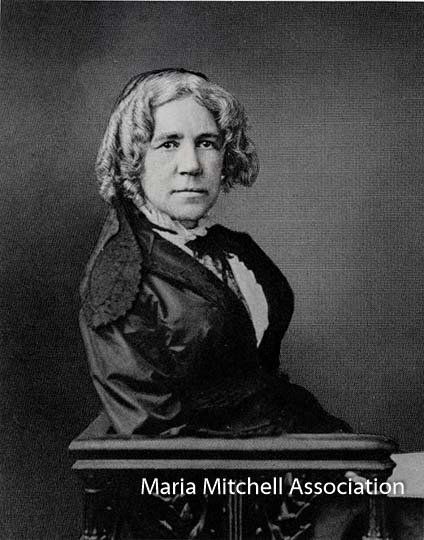
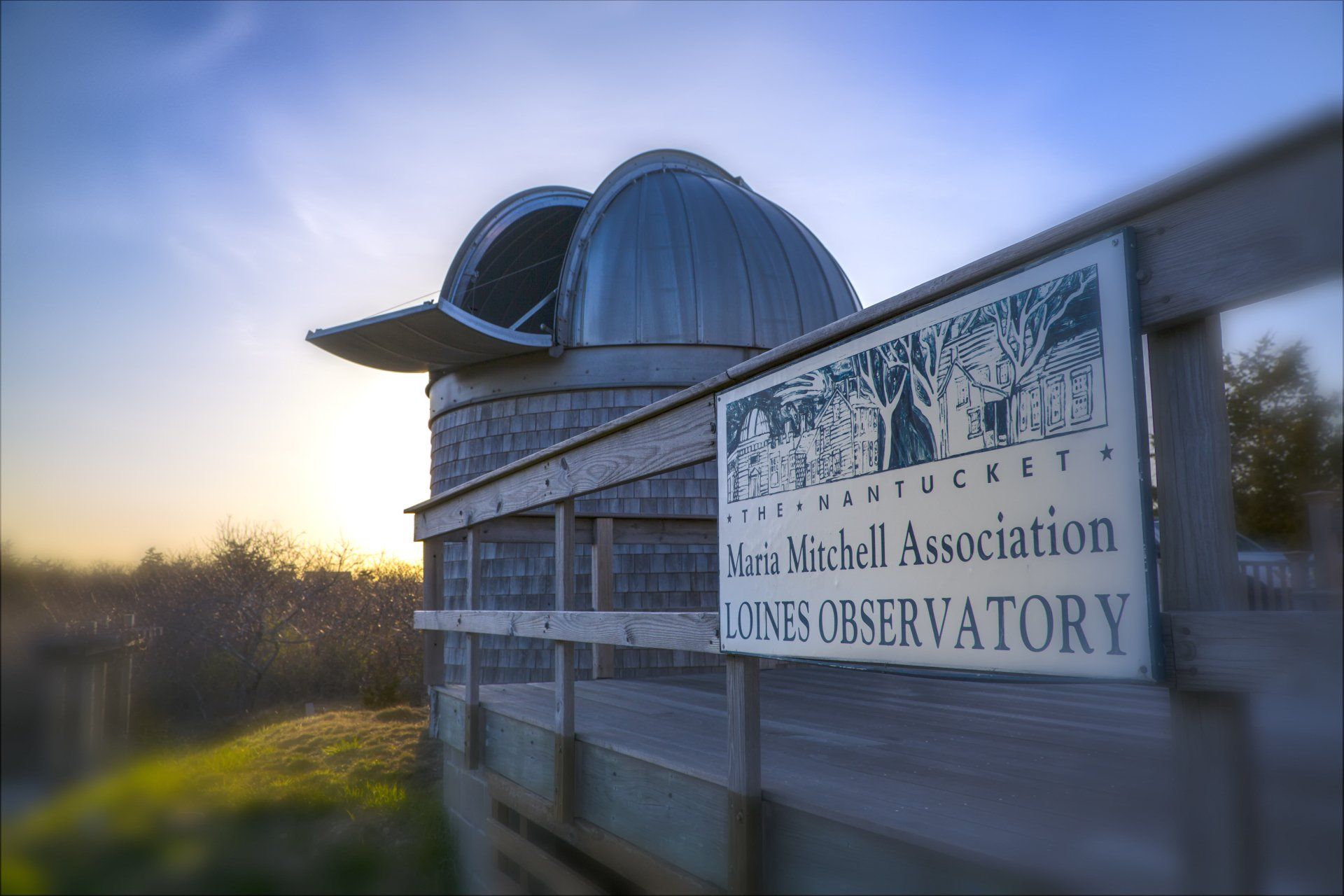
The Maria Mitchell Association was founded in 1902 to preserve the legacy of Nantucket native astronomer, naturalist, librarian, and educator, Maria Mitchell. After she discovered a comet in 1847, Mitchell’s international fame led to many achievements and awards, including an appointment as the first professor of astronomy at Vassar College. Maria Mitchell believed in “learning by doing” and today that philosophy is reflected in the MMA’s mission statement, programs, research projects, and other activities. The Maria Mitchell Association operates two observatories, a natural science museum, an aquarium, a research center, and preserves the historic birthplace of Maria Mitchell. A wide variety of science and history-related programming is offered throughout the year for
people of all ages.
###
For Immediate Release
January 13, 2026
Contact: Joanna Roche
jroche@mariamitchell.org
Recent Posts