
Maria Mitchell Women of Science Symposium Scheduled for October 2nd Online
A Different Kind of Women in STEM Meeting
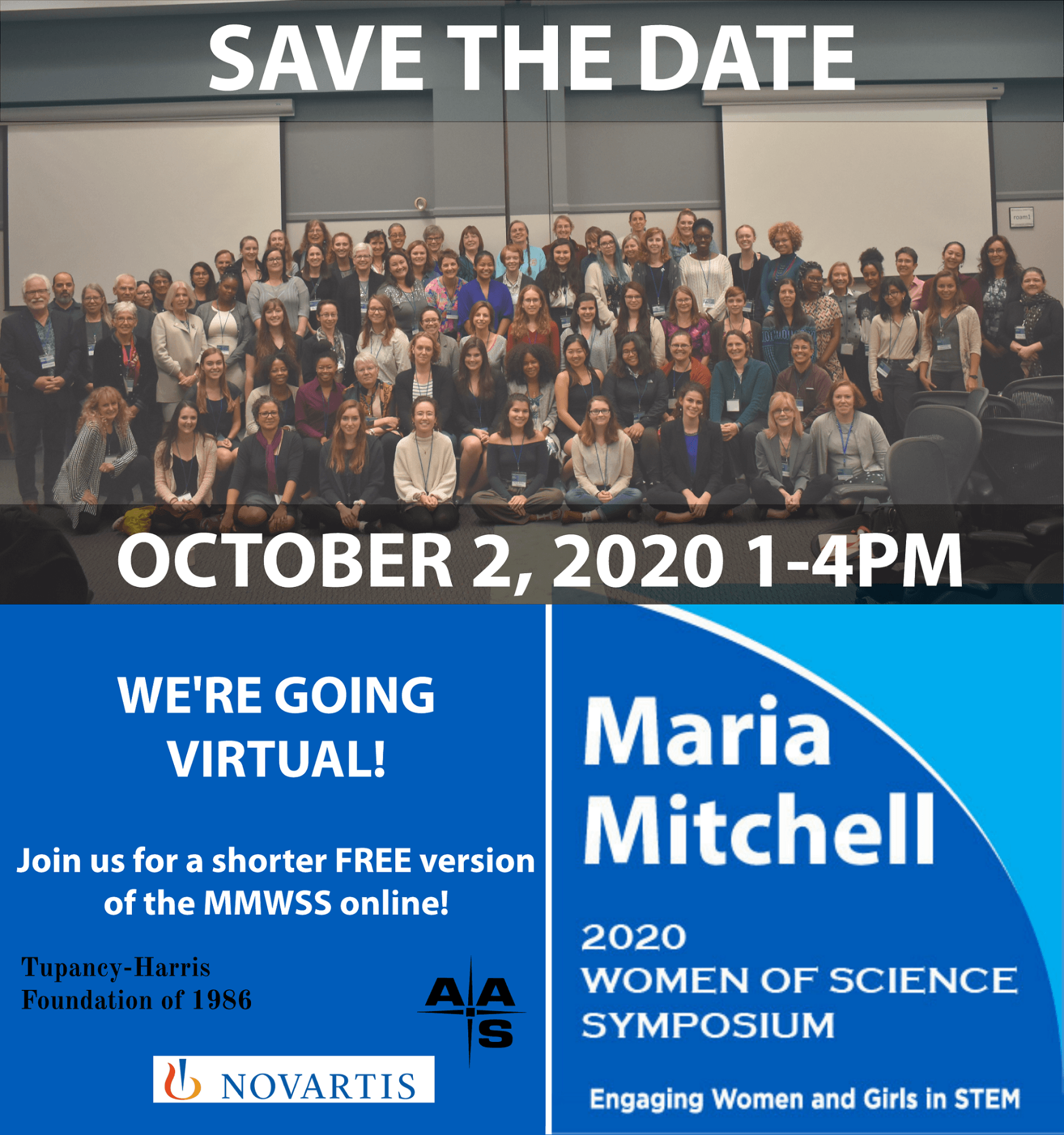
The Nantucket Maria Mitchell Association (MMA) will host its second Maria Mitchell Women of Science Symposium (MMWSS) virtually on October 2, 2020 from 1-4PM. Originally planned for an in-person two-and-a-half-day event at the Babson Executive Conference Center in Wellesley, MA, the COVID-19 Pandemic forced the MMA to reconfigure the event. This year’s online event is free but registration is necessary.
The MMWSS is meant to promote and support women and girls in the Science, Technology, Engineering, and Mathematics (STEM) fields.
Distinguished women scientists and others involved in STEM will focus their discussions on Diversity, Inclusion and Intersectionality for this online event.
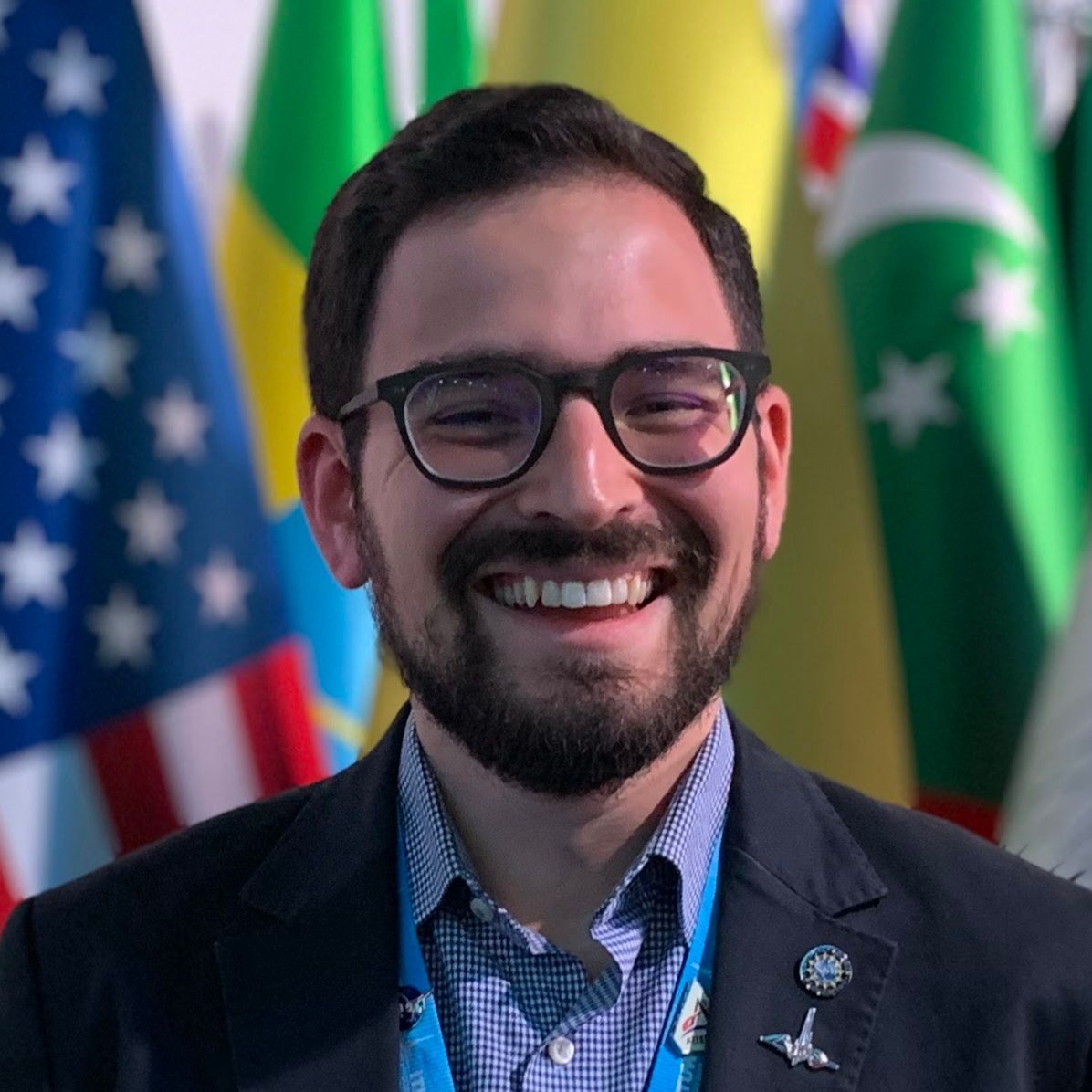
The keynote speaker, Catalina Martinez, is the Regional Program Manager for the NOAA Office of Ocean Exploration and Research (OER). A certified diversity professional with three graduate degrees from URI (MS Oceanography, MMA Marine Affairs, MBA), Ms. Martinez began her ocean science career with NOAA in 2002 working on ship operations and logistics, as well as education and outreach initiatives associated with expeditions to explore little known and unknown ocean areas. Ms. Martinez also works on a variety of local, regional, and national efforts to face the barriers to entry for underrepresented individuals into STEM fields, and was honored with the URI Diversity Award for Staff/Administrator Excellence in Leadership and Service in 2010 for this work. She consistently seeks to increase potential for life success for individuals born to challenging circumstances, and was recognized by the YWCA as one of their 2015 Women of Achievement in Rhode Island for promoting peace, justice, freedom and dignity. Ms. Martinez also received the 2016 NOAA Oceanic and Atmospheric Research EEO/Diversity Award for Exemplary Service for dedication to improving the representation of women and minorities in STEM.
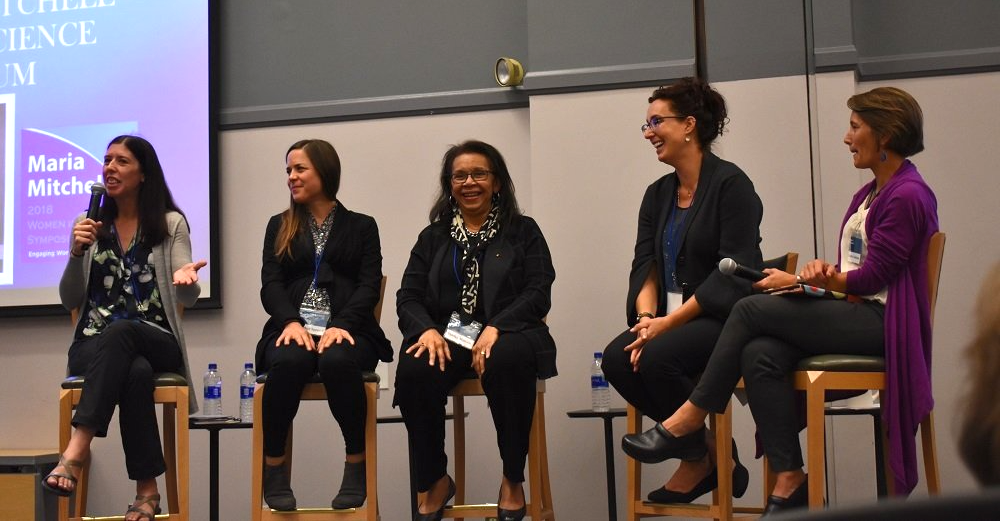
Panelists for this special online MMWSS include:
Serra Hoagland, Ph.D. – serves as the Liaison Officer (Biologist) for the USDA Rocky Mountain Research Station Fire Lab to Salish Kootenai College in Pablo, Montana. From 2012-2016, she worked as a Biological Scientist and as the Tribal Relations co-point of contact for the USDA Southern Research Station in Asheville, North Carolina. As the first Native American to graduate from Northern Arizona University with a PhD in forestry, Dr. Hoagland studied Mexican spotted owl habitat on tribal and non-tribal lands in south-central New Mexico
Dorene Price – Chief IP Counsel, is a patent attorney and head of the Intellectual Property Legal Group at Brookhaven National Laboratory. She received both her BSc and MSc degrees from Binghamton University where she studied chemistry and industrial engineering
Amy Bower, Ph.D. – has been a Senior Scientist in the Department of Physical Oceanography at the Woods Hole Oceanographic Institution since 2005. She is currently serving a four-year term as the department’s first female chair
Sabine von Sengbusch – is Vice President of Validation/Clinical Affairs in the Laboratory Diagnostics business of Siemens Healthineers. Her global team of 135 scientists and clinicians perform internal and external studies and trials to ensure lab diagnostic products meet design input requirements and user needs. In addition to her current R&D responsibilities, she also serves as the Co-Chair of the Diversity and Inclusion Council for Siemens Healthineers U.S., has served as the Executive Sponsor of the Pride Network, and been an active participant in Siemens’ Women’s Networking group
Gwyneth Packard, Panel Moderator – is a Senior Engineer in the Oceanographic Systems Laboratory (OSL) at the Woods Hole Oceanographic Institution (WHOI) where she writes control code for the REMUS family of autonomous underwater vehicles (AUVs). As a bi-racial woman in engineering, she has always worked to improve representation of women in traditionally male-dominated fields, and to increase representation of under-represented minorities throughout STEM fields
Women continue to be under-represented in the sciences. According to the 2014 Science and Engineering Indicators report by the National Science Foundation, women comprised just 28% of workers in science and engineering occupations in 2010. This under-representation shortchanges the students, the field of science, and the public that benefits from scientific advancement.
Jascin Finger, MMA Deputy Director and Symposium Coordinator states, “This Symposium is designed to serve as a source of inspiration and support and to be a hands-on experience in which all attendees are actively participating and problem solving. While the COVID-19 Pandemic has moved us online for a shortened version, we hope that the moment we had coming out of our first Symposium in 2018 can be built upon as we look towards meeting again in-person in 2021. Our in-person meeting allows us to come together to work towards real-world solutions that we can then take back to our places of work and schooling to begin to make changes and create support systems.”
The Symposium is named after Maria Mitchell, America’s first woman astronomer. The first Symposium in 2018 also marked the 200th anniversary of Mitchell’s birth. Mitchell, who went on to teach Astronomy at Vassar College, promoted hands-on learning and encouraged women to study science.
The themes that the Maria Mitchell Women of Science Symposium addresses are persisting issues that hindered women in science in Maria Mitchell’s time and still affect them today. The Symposium also addresses where women are today, how to recruit women and girls into STEM, how to address the challenges that women still face in STEM, promoting and supporting diversity and inclusion in STEM, and how to broaden participation and leadership. Maria Mitchell believed in learning by doing and the Symposium continues this philosophy by encouraging all attendees, female and male of all backgrounds and educations, to actively participate, problem-solve, and learn through a hands-on experience.
The online MMWSS is made possible thanks to the generous support of the American Astronomical Society, Tupancy-Harris Foundation, and Novartis.
Registration to the MMWSS is still available at mmwiss.org. Visit the website for more information and registration.
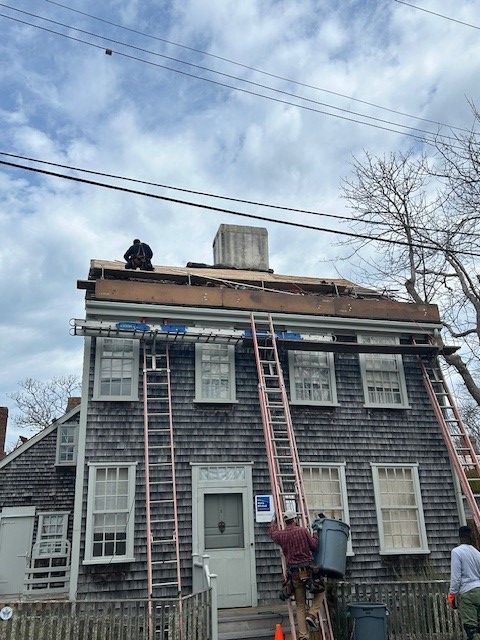
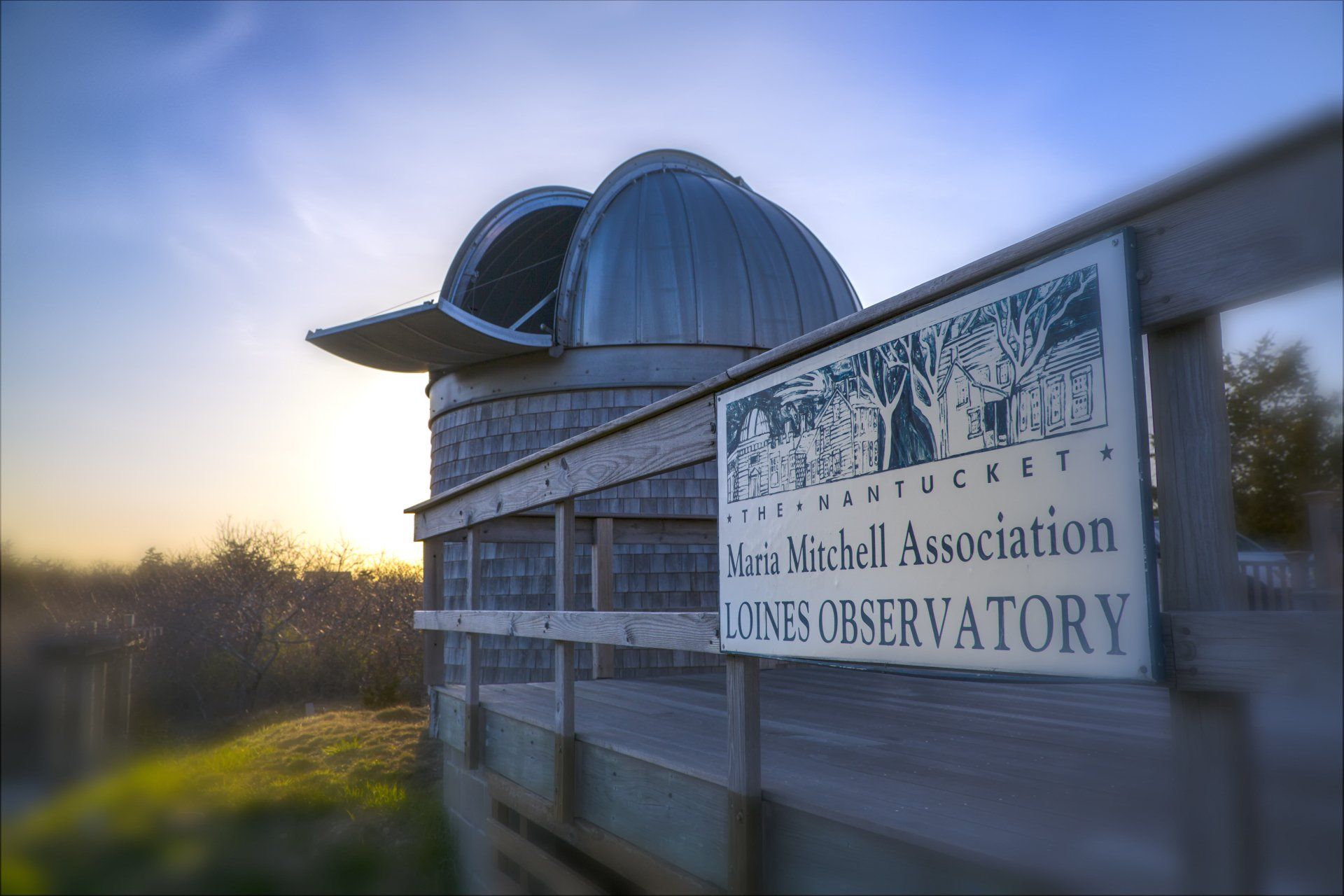
The event is organized by the Maria Mitchell Association, a private non-profit organization. Founded in 1902, the MMA works to preserve the legacy of Nantucket native astronomer, naturalist, librarian, and educator, Maria Mitchell. The Maria Mitchell Association operates two observatories, a natural science museum, an aquarium, a research center, and preserves the historic birthplace of Maria Mitchell. A wide variety of science and history-related programming is offered throughout the year for people of all ages.
Recent Posts