
MMA Post-Baccalaureate Astronomy Research Fellow Receives Honorable Mention in Prestigious NSF Award
Nantucket, MA – The Maria Mitchell Association (MMA) is proud to share the news that the MMA Post-Baccalaureate Astronomy Research Fellow, Celia Mulcahey, recently received an Honorable Mention in the National Science Foundation Graduate Research Fellowship Program (NSF-GRFP). The NSF-GRFP, “Recognizes and supports outstanding graduate students in NSF-supported STEM disciplines who are pursuing research-based master’s and doctoral degrees at accredited US institutions.” The five-year fellowship provides a stipend for the graduate student, as well as national prestige, recognition, and institutional support. The competition for these awards is fierce – each year approximately 12,000 students apply for the 2,000 awards given out across all STEM disciplines. The application consists of a personal statement, a graduate research plan statement, transcripts, and two letters of recommendation.
“Each fall we support multiple former MMA astronomy interns applying for the NSF-GRFP, and just getting through the application process is no small feat. So, it’s always a great joy when our interns receive recognition on this national stage for their tremendous efforts and talents,” said MMA Director of Astronomy, Dr. Regina Jorgenson. “It’s been such a joy to have Celia back at the MMA this past year, and to work with her as part of our NSF-sponsored collaboration unravelling the mysteries of fast radio bursts and the galaxies that host them,” Jorgenson continued.
Mulcahey first came to the MMA as a summer NSF Research Experiences for Undergraduates (NSF-REU) intern in the summer of 2019. Her summer research project involved a detailed study of a nearby galaxy in which the gas of the galaxy is rotating in the opposite direction of the stars. To decipher the cause of this unusual behavior, Mulcahey used data from one of the most powerful, ground-based optical telescopes in the world: the Very Large Telescope in the Atacama Desert in northern Chile. She wrote and published a first-authored publication in the astronomical journal, Monthly Notices of the Royal Astronomical Society, entitled “Deciphering the origin of ionized gas in IC1459 with VLT/MUSE.”
“I owe so much of my confidence and prowess as a young researcher to my time at the MMA. It was during my experience as an NSF-REU intern at the Maria Mitchell Observatory (MMO) where I first fell in love with how galaxies form and evolve, and developed essential research and communication skills,” said Mulcahey. After graduating summa cum laude from Mount Holyoke College with a B.A. in Astronomy and Geology, Mulcahey returned to the MMA in September of 2021 as the Post-Baccalaureate Astronomy Research Fellow.
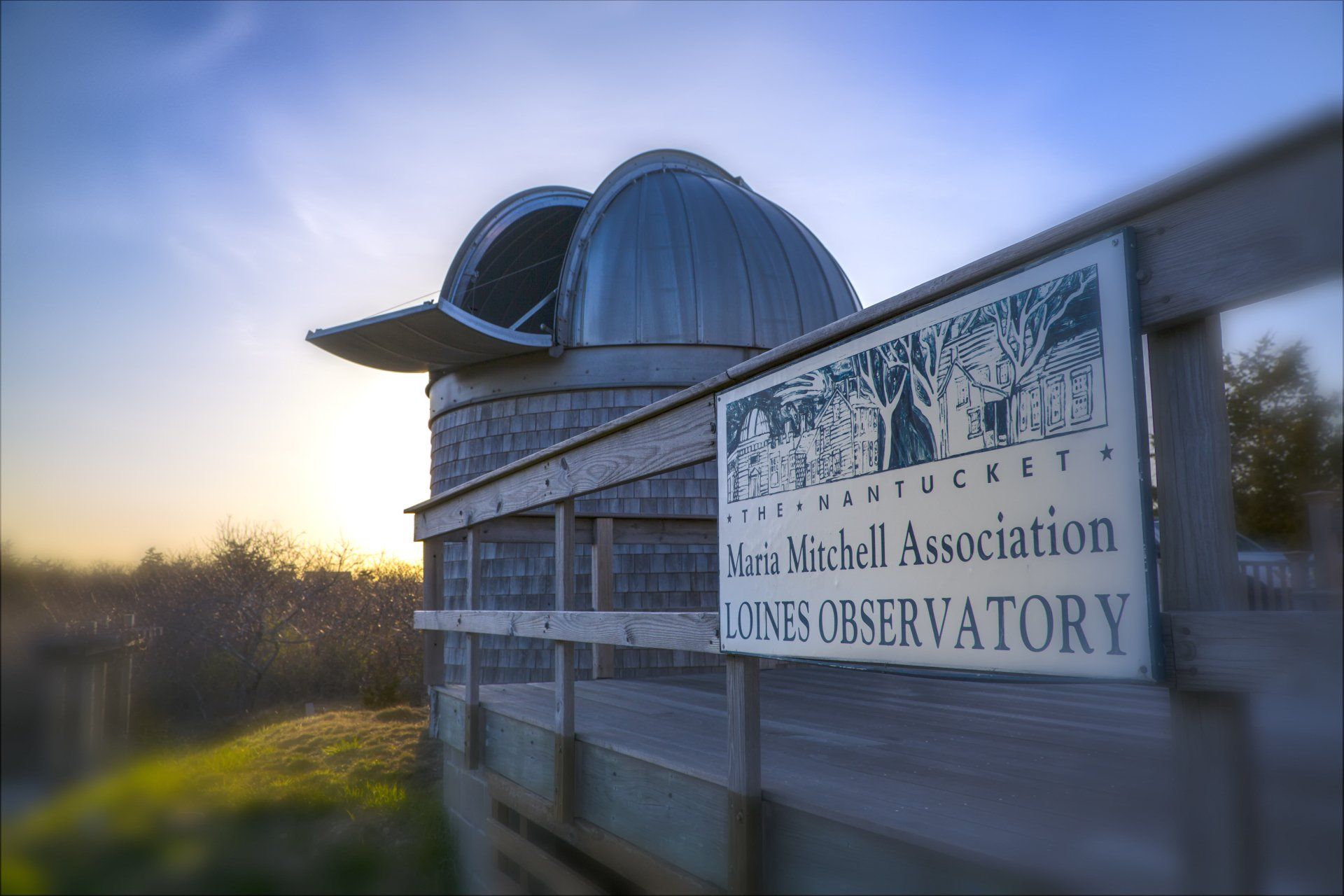
The Post-Baccalaureate Astronomy Research Fellow position is sponsored by a special research grant from the National Science Foundation awarded to the MMA to support the MMA’s participation in the Fast and Fortunate for FRB Follow-up, or F4, collaboration. The goal of the F4 collaboration is to perform optical follow-up of the host galaxies of the mysterious fast radio bursts, or FRBs, which are extremely bright and brief flashes of radio radiation whose cause is not currently understood. “As the post-bac research fellow, the MMA and the F4 collaboration have provided me with a platform to be at the forefront of research in the astrophysics, specifically in FRBs, which are remarkable bursts of unknown extragalactic origins that release a comparable amount of energy in a thousandth of a second as the Sun does in a year,” said Mulcahey. During the past year, Mulcahey has conducted observations using the other most powerful, ground-based optical telescope in the world, the Keck Telescope in Hawai’i, to observe a nearby globular cluster that hosts a repeating FRB. In addition to her research work, Mulcahey assists with the MMA’s education and outreach programs, including helping to host Open Nights at the Loines Observatory and providing the weekly Star Report podcast. This coming summer, Mulcahey will assist in mentoring the new NSF-REU interns and help them to learn the ropes of telescope operation, research processes, and making the most of their time on Nantucket.
In the fall, Mulcahey will begin her graduate studies in the Astrophysics Ph.D. program at Johns Hopkins University where she plans to use the first observations from the newly deployed James Webb Space Telescope to understand the dynamical and chemical evolution of galaxies since the early universe. Mulcahey said, “My next adventure marks the culmination of a substantive and competitive research background, which I have gained thanks to the opportunities and mentorship I've received from the MMA.”
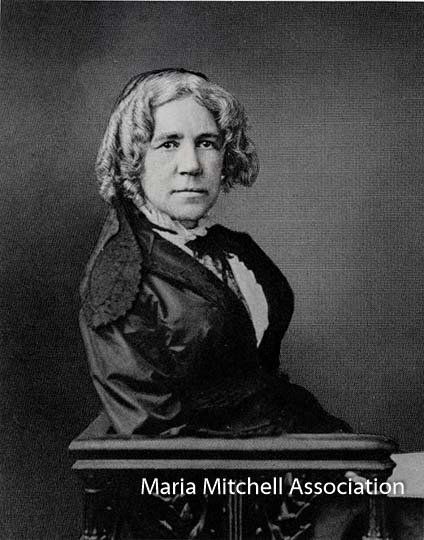
The Maria Mitchell Association is a private non-profit organization. Founded in 1902, the MMA works to preserve the legacy of Nantucket native astronomer, naturalist, librarian, and educator, Maria Mitchell. The Maria Mitchell Association operates two observatories, a natural science museum, an aquarium, a research center, and preserves the historic birthplace of Maria Mitchell. A wide variety of science and history-related programming is offered throughout the year for people of all ages.
For Immediate Release
April 29, 2022
Contact: Logan Gomes, Director of Advancement
Recent Posts